


As social media evolves in 2026, B2B marketers face an urgent need to re-evaluate strategies. With new platforms gaining traction and others declining, once-effective approaches now risk falling flat. This guide covers the top 10 trends to help brands adapt and drive results.
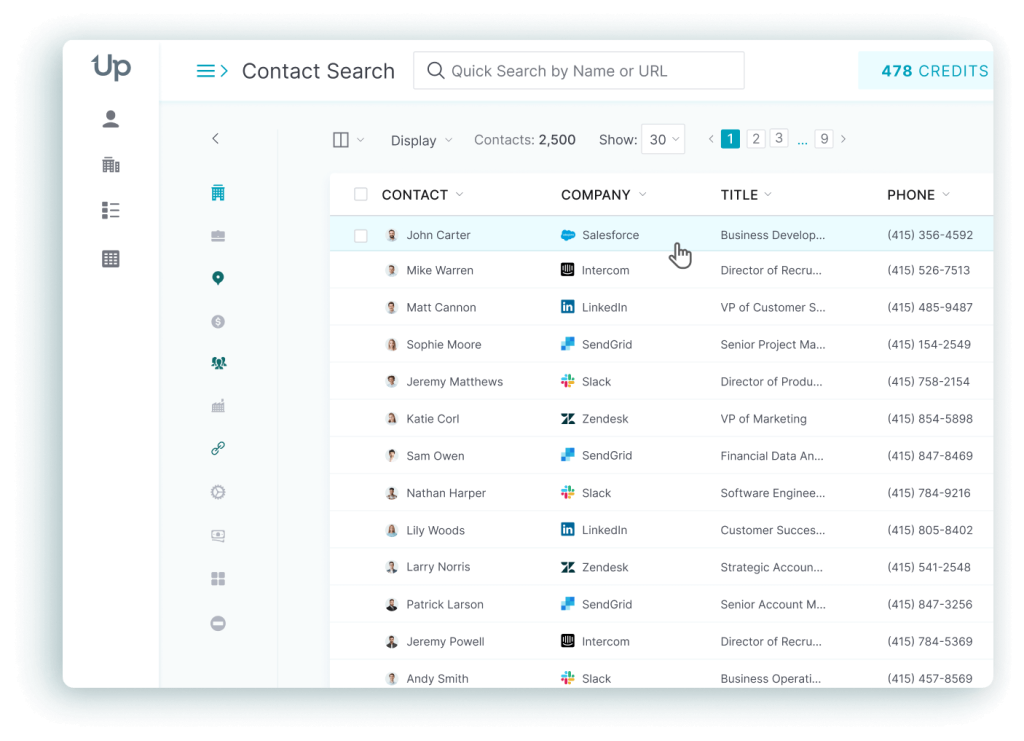
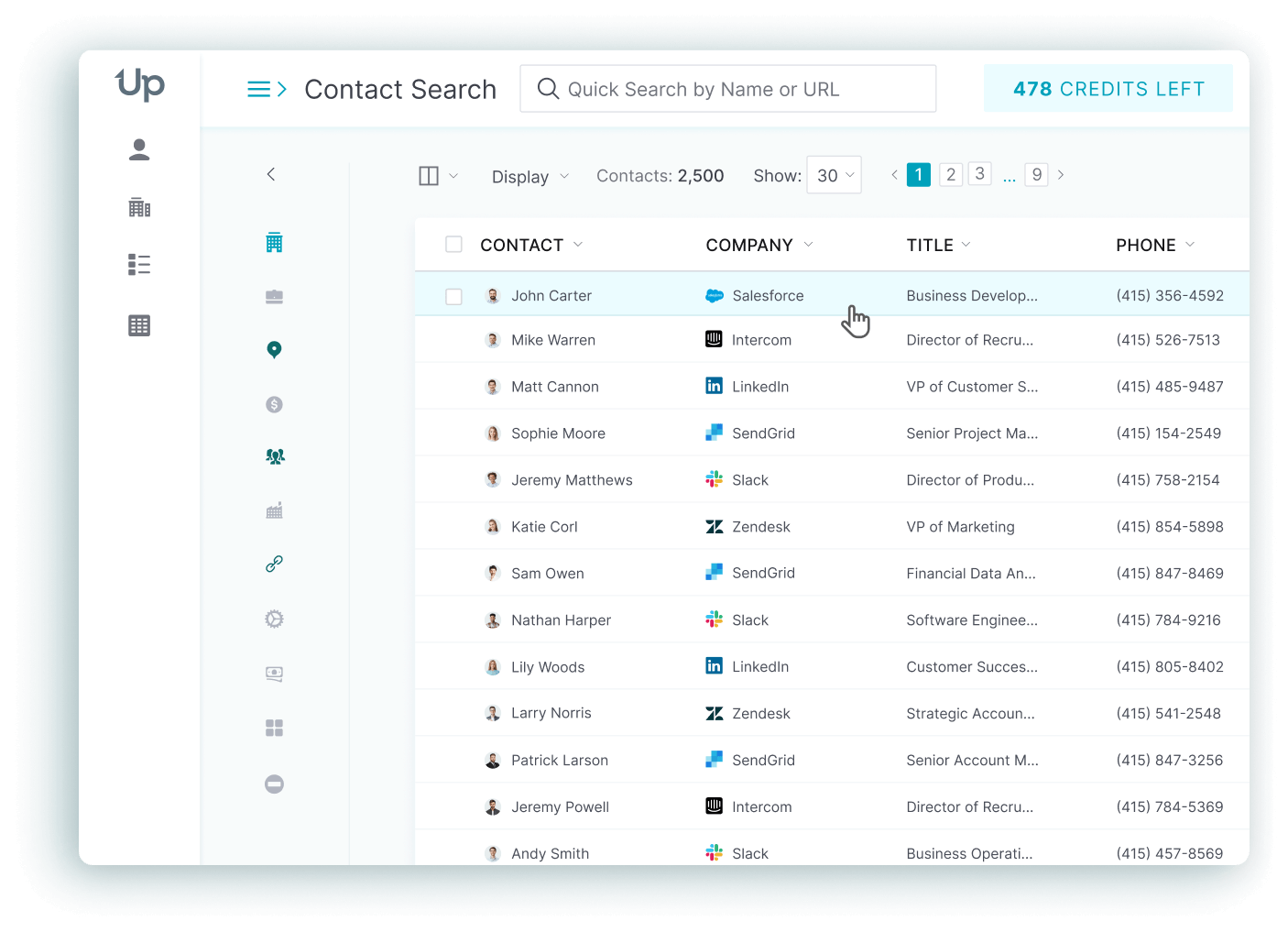
🔥 HOT TIP: Don’t just post and hope your ideal prospects find you. Proactively find, connect & engage with them first. Build a list of prospects you want to engage with on social with UpLead. Get 5 free leads here.
10 Top B2B Social Media Trends for 2026
Opportunities and expectations keep shifting across social platforms, so B2B marketing strategies require continuous reassessment and realignment. Below are the ten most impactful trends that should inform all B2B social media efforts in 2026. These shifts lay the foundation to drive results in the coming year.
Short Video Content
Short-form video content has become essential for B2B social media in 2026, offering high engagement and tangible business impact. With even professional audiences showing dwindling attention spans, short videos provide that essential first impression to capture interest.
Platforms like TikTok have shown the raw power of short videos for lead generation. B2B standouts like Hootsuite, Shopify, and Adobe creatively use TikTok and YouTube to build brand awareness and resonate with target audiences. Their authentic, engaging short videos yield actual business returns.
While YouTube offers breadth, niche platforms like Vimeo cater specifically to B2B video marketing needs. Short-form video is the most used content format, cited by 60% of marketers, and the format with the highest ROI (HubSpot State of Marketing 2026).
Beyond vanity metrics, short video positively impacts the bottom line. 91% of businesses now use video, and 82% of video marketers say it delivers good ROI (Wyzowl 2026).
So, for B2B marketers looking to cut through the noise of different types of leads, a short video is the prime content format to embrace in 2026. No other format comes close to driving real business returns and tangible lead generation.
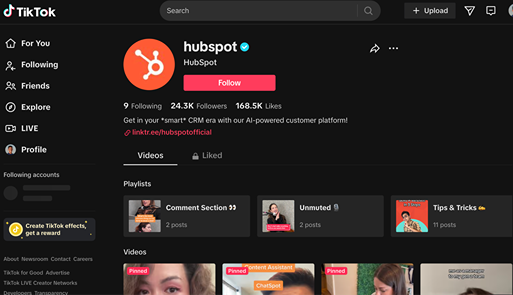
To captivate attention-taxed audiences, inbound marketing trailblazer HubSpot has evolved its social strategy to embrace snackable educational videos across platforms like TikTok and Instagram. HubSpot condenses typically dense how-to guides and need-to-know marketing tips into easily digestible bites, which makes digesting complex capabilities more welcoming. This finessed approach allows showcasing value before product pitches emerge, building goodwill and authority first.
User Generated Content
User-generated content (UGC) – defined as content created by customers and users rather than brands – is gaining significant traction in B2B social media thanks to its perceived authenticity and trust-building capabilities.
For B2B brands struggling to showcase value and resonate emotionally directly, UGC represents the most credible way to highlight real-world applications and customer satisfaction. To achieve this, check out these UGC video ideas that allow happy customers to advocate and recommend on their behalf, breaking through the “corporate speech” barriers that block engagement.
The power of UGC lies in using genuine customer advocacy and peer recommendations at scale. A B2B software company, for example, could encourage users to share their experiences on LinkedIn using a branded hashtag. A compilation of the most compelling stories, cut into snackable social content, creates powerful social proof. (Pro tip: You can use this content and embed LinkedIn posts on your website, for example as social proof or a collection of reviews.)
So B2B brands investing more in content creation and distribution – 50% of marketers, according to HubSpot – would do well to emphasize UGC. In an increasingly cynical online world, genuine third-party endorsement remains the most trusted, engaging form of social media marketing.
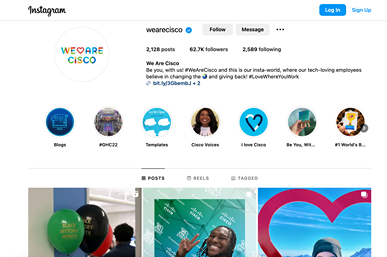
In search of authentic employer branding beyond polished promotions alone, global IT powerhouse Cisco mobilized its greatest asset – employees themselves – as brand ambassadors through the #WeAreCisco initiative. When staff were encouraged to spotlight real workplace moments, achievements, and insights across social channels, unscripted vignettes demystified dense corporate PR platitudes with raw glimpses behind the curtain.
Automation With AI
In 2026, AI agents draft and schedule posts and answer routine DMs while humans review what goes out. With modular AI tools handling everything from content creation to data analysis, brands can widen reach while freeing internal resources.
To maintain always-on content operations, AI content software (tools like Meltwater or Hootsuite) help create and suggest posts to keep social media channels lively. Automated curation also identifies and reshares evergreen content most relevant to each audience.
Chatbots enable instant 24/7 customer service at scale across social platforms, streaming conversations to live agents when needed. Chatbots create capacity rather than more to-do’s by improving response times and satisfaction.
Predictive analytics can help AI determine which content will resonate and convert with each target audience before publishing. An analysis of past social data and customer traits flags key trends to inform better decisions in real time.
Personalized B2B social media marketing messages also hit the mark far more effectively at scale when tailored by AI data. The same goes for lead scoring – automated lead qualification means wasting less time on cold prospects.
Adoption is close to universal, but results lag: 95% of B2B marketers now use AI-powered applications, yet only 39% say AI has improved content performance (CMI 2026). That gap is why human review still matters in 2026.
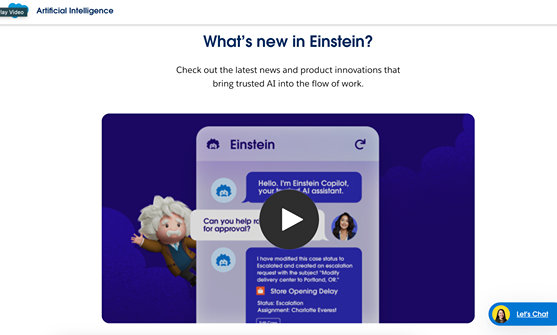
Salesforce applies Agentforce (formerly Einstein) across objectives through automated content curation and predictive analytics, unifying engagement. Specifically, its AI models crunch past performance trends and customer interaction signals to prescribe highly relevant social postings precisely matched to each audience for resonance and response at scale.
Agentforce also digests past prospect behaviors and campaign receptivity within its machine learning framework, then prescribes tailored messaging and promotional offers timed for maximum individual receptivity. When the data guides content and promotion suitability through AI, Salesforce gets a repeatable framework that raises marketing productivity and scale at the same time.
Building Strong Communities
Building strong brand communities on social media represents a strategic imperative for B2B brands in 2026, building loyal followers who co-create value.
Unlike interruptive sales messaging, community building focuses on meaningful, lasting consumer relationships that transcend transactions. Members come together to learn, collaborate, and enhance their use of products – driving engagement and advocacy.
Salesforce’s Trailblazer community is an exemplar case, which lets users share best practices and shape future offerings. Because members get a platform for participation, Salesforce fuels loyalty beyond pricing or features.
With 33% of B2B marketers planning more spending on owned communities and 52% prioritizing social media presence, companies recognize engaged communities as versatile growth engines. Beyond enabling valuable user feedback, they provide a testing ground for refining offerings and identifying expansion opportunities.
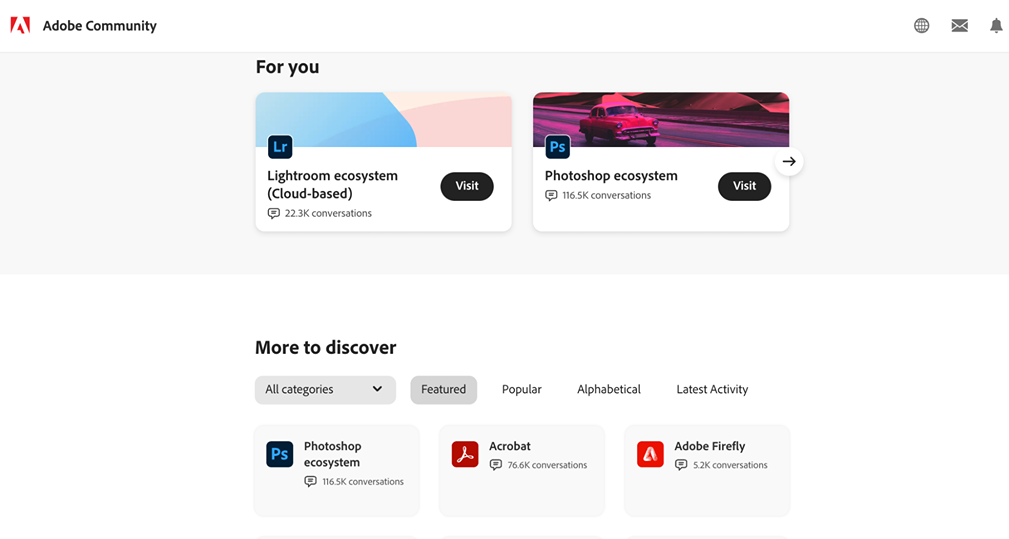
Adobe builds a thriving creative community ecosystem that adds value to product subscriptions through collective inspiration. From forums facilitating peer troubleshooting to live events spotlighting member artistry across mediums, Adobe strengthens retention by cultivating bonds.
Influencer Marketing
Influencer marketing will take a more personalized and authentic approach in B2B during 2026, which is essential for building the customer trust and resonance needed to drive business results.
Unlike past years when vanity metrics like followers counted most, influencers must now incorporate authenticity into their content to survive. This shift speaks to a market saturated with influencers who have failed to form genuine connections with their target audience.
AI is already reshaping influencer marketing in 2026 by optimizing influencer selection and matching influencers to audiences through data-driven personality and interest analysis. Influencer analytics tools will play a critical role in this evolution, helping B2B marketers evaluate influencer performance beyond surface metrics and ensure alignment with campaign goals. Content customization at scale will also help influencers personalize their messaging to niche B2B segments.
With customers actively using multiple social platforms, B2B influencers will need an omnichannel presence that spans Instagram, TikTok, LinkedIn, and more. Those relying solely on one channel will struggle to engage enterprise audiences.
The focus on authenticity puts content that resonates with customers’ real needs and challenges at the heart of effective B2B influencer marketing this year. Influencers must show a proper understanding of their niche rather than speaking generically.
Market data backs this shift: Influencer Marketing Hub estimates the influencer marketing industry reached $32.55 billion in 2025, up from $24 billion in 2024. InfluencerMarketingHub finds that 80% of marketers recognize the high customer quality from influencer drives.
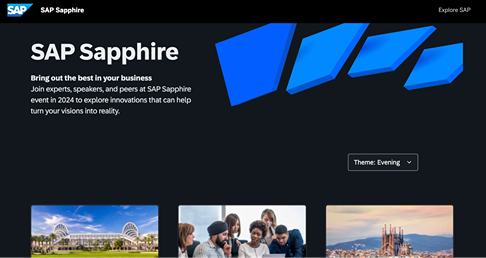
To nurture genuine connections with audiences beyond product promotion alone, enterprise tech giant SAP has embraced influencer collaborations, establishing coveted thought leadership positioning. Specifically, by engaging respected industry experts in high-visibility campaigns like the annual SAP Sapphire conference, inviting speakers and social media roles, and amplifying reach, the brand extends its sphere of awareness.
B2B Omni Channel Strategy
Implementing an integrated omni-channel social media strategy now represents a competitive imperative for B2B in 2026. Unlike disconnected multi-channel approaches of the past, omnichannel synchronization provides customers with a consistent, unified shopping experience across all touchpoints.
This cohesive journey aligns with modern B2B buyer expectations shaped by B2C giants like Amazon. Whether engaging on the website, mobile apps, in-store, by phone, or any other channel, customers demand persistence in product information, branding, promotions, and more.
Salesforce shows that the benefits of omnichannel convergence add up when well executed. From increased customer retention thanks to brand consistency to higher revenues from expanded reach, an omnichannel approach allows B2B companies to engage prospects wherever they are and generate quality SEO leads.
Still, the investment requires technical integration to centralize data and shift the priority toward customer-centricity. The future outlook leaves little room for delay – HBR finds 94% of B2B buyers already consider omnichannel models equal or superior to traditional sales.
The headless commerce market is estimated to reach $3.8 billion by 2030, expanding at a 22.5% CAGR (MarketDigits, 2023). B2B buyers now use an average of 10 channels during a purchase, double the five they used in 2016, and more than half say they would switch suppliers over a poor omnichannel experience (McKinsey B2B Pulse 2024). In an increasingly commodified B2B market, delivering synchronized experiences across all channels represents the new strategic imperative.
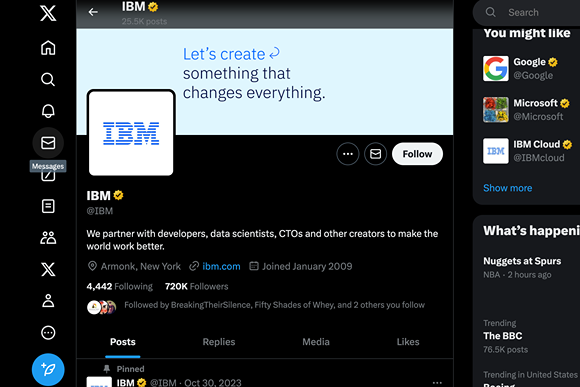
Because fragmentation frustrates enterprise buyers, innovation pioneer IBM has focused on converging touchpoints into frictionless transitions that maintain messaging continuity regardless of channel. With integrated backends linking social streams, owned articles, mobile apps, virtual events, and more, IBM facilitates always-on relationships that meet audiences through preferred mediums without losing momentum.
Personalized Approach
Adopting a personalized approach in B2B social media now represents a baseline expectation rather than a competitive advantage. Content, interactions, and social media marketing strategies tailored to individual customer preferences and behaviors boost engagement, satisfaction, and loyalty by making each touchpoint unique.
While one-size-fits-all campaigns sufficed in the past, advancements in data analytics and AI now allow granular, data-driven insights into each customer’s needs. Platforms like Adobe Marketo Engage exemplify this potential, harnessing machine learning to analyze traits and serve hyper-targeted messaging.
Poor personalization is costly: 73% of B2B buyers actively avoid suppliers that send irrelevant outreach (Gartner, 2025). Beyond acquisition, personalized service also builds familiarity and trust that drives retention and growth.
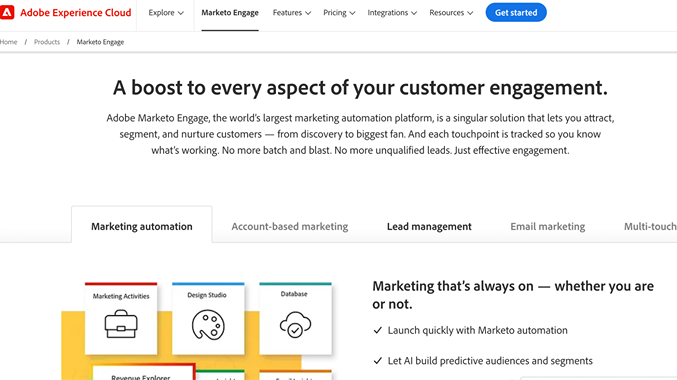
Because relevance resides in resonance, marketing automation leader Marketo amplifies social campaigns through hyper-personalization at scale. Marketo’s analytics engines ingest audience engagement signals across digital activities and can categorize followers across granular psychographic dimensions from persona pain points to aspirational states. This labeling then informs message tailoring by segment, inserting frictionless nuances fitting the underlying motivator driving each group.
Paid Social Media Trends
Rather than either/or propositions, paid and organic social strategies work best in tandem for B2B brands – each amplifying the impact of the other. Thoughtful paid social media marketing campaigns expand content reach and visibility at scale, while organic community-building drives trust and engagement over time.
These synergies run deep. Paid ads can draw more eyeballs to freshly posted thought leadership content, for example, sparking a surge in likes, shares, and organic discussion. Long-term organic inbound lead list building then ensures that paid reach potential remains high.
Savvy B2B social media managers strategically alternate paid boosting and organic community growth for maximum advantage. Organic activity also gives you a steady stream of tests that show which posts deserve paid budget.
So, rather than an either/or decision between paid and organic social activities, innovative B2B brands discover multiplier effects from weaving them together. Paid reach expands the organic community, and organic credibility strengthens the paid response. When each approach’s advantages work together, brands maximize overall social media returns.
Aware of the power of converging paid and organic pathways, professional network LinkedIn spotlighted through its “Dynamic Duo” campaign how amplified outcomes emerge when combining precision advertising targeting with authentic community conversations. Case studies of B2B firms that used LinkedIn’s full stack to nurture relationships at scale revealed the platform’s strong ability to merge media budgets with engaged voices discussing industry issues.
B2B Social Media Budget Trends
Facing tight budgets, B2B marketers increasingly focus spending on just a few social platforms with proven returns – LinkedIn leading for quality lead source. This realization that much buyer influence comes from “dark social” peer sharing unseen by brands.
With younger audiences favoring visually rich content on social feeds, display and video ads now claim more budget share than last year, along with social media.
For allocation, most B2B brands assign 7-15% of total marketing budgets to social efforts – averaging around 11%. Exact percentages depend on company size, industry, and available resources.
Still, LinkedIn remains dominant in reaching B2B decision-makers, making it a top investment target. With 87.5% of brands expecting their influencer budget to rise in 2026 and social ad spend rising toward $70 billion by 2026, social commitments continue despite economic uncertainty.
A focus on platforms with traction shows savvy adaptation even as overall social spending expands to engage new B2B generations.
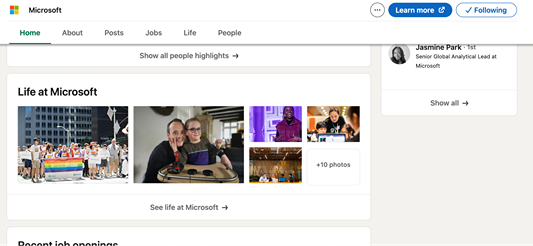
Owned media represents an asymmetric advantage, and Microsoft strategically directs the lion’s share of its social budget towards LinkedIn, a platform centrally positioned to engage two core constituencies: B2B decision-makers and tech professionals.
B2B Social Media Team Trends
Effective in-house B2B social media teams in 2026 blend essential roles with specialized skills for executing comprehensive strategies for inbound and outbound sales. While structures and titles vary by company size, key responsibilities remain constant.
At the helm, Chief Marketing Officers align social initiatives with the corporate vision. Content leaders then develop high-level messaging and strategies to attract and engage audiences. Demand generation managers nurture warm leads, while product marketers convey value prop specifics.
Customer expectations are sky-high, so onboarding assistance and web development have become mission-critical rather than nice-to-haves. Technical and social media skills now represent mandatory baseline competencies.
B2B social teams increasingly seek specialized certifications in core platforms and approaches to stay on the cutting edge. Some leading 2026 options include HubSpot Social Media Marketing and Hootsuite Social Marketing courses.
But with rapid-fire changes across social platforms, continuous self-directed learning represents the new normal. Teams that monitor platform updates, keep pace with innovations, and collaborate cross-functionally keep strategies responsive.
Specialized social talent within integrated company-wide approaches sustains success in business development, and that ability to adapt positions in B2B organizations to capitalize on whatever shifts come next.
Overview of B2B Social Media Trends by Platform
B2B social media keeps expanding across platforms, so marketers need localized strategies tailored to reach and resonate with professional audiences wherever they’re most active. Below is a breakdown of the key 2026 social media marketing trends, content that performs, and overall opportunity customized by the platform to focus marketing efforts for superior returns.
Instagram offers B2B brands a visually-focused platform to partner with influencers and nurture engagement through sponsored posts using #ad hashtags. Original photo and video content, especially Reels, also connects, while directly responding to DMs and comments builds relationships. Instagram still supports product tags in posts and Reels, but removed the dedicated Shop tab in 2023 (TechRadar), so treat it as a discovery channel that can still move people toward conversion. If you’re unsure how to get started, check out these Instagram agencies.
TikTok
Thanks to over 1 billion users on the platform, TikTok offers unmatched organic engagement potential for B2B – outperforming traditional ads with its encouragement of entertaining user-generated content. Marketers increasingly use TikTok’s inspirational and enjoyable native video environment to promote brands and offerings creatively. The focused bite-sized content format aligns well with shrinking attention spans across professional audiences. In the U.S., TikTok now runs through the TikTok USDS Joint Venture (Oracle, Silver Lake, MGX), which closed in January 2026 and keeps the app available to about 170 million U.S. users.
X / Twitter
Twitter, with 79% of its user base using the platform to discover emerging topics and trends, offers an underutilized channel for B2B brands to increase visibility and engagement in 2026. Its foundation for real-time sharing of relevant news and ideas makes Twitter uniquely positioned to drive discovery and awareness.
As the dominant B2B social media platform, LinkedIn now has more than 1.2 billion members, and 85% of B2B marketers call it their best-performing social platform (CMI 2026). Marketers use it for content distribution and B2B lead generation. With unrivaled scale across the professional world, the platform continues to excel at fueling awareness, engagement, and conversions through thought leadership. LinkedIn should remain at the core of all B2B social media strategies in 2026.
Snapchat
Snapchat, with 493 million daily active users in Q2 2026, represents an appealing but overlooked channel for B2B brands to connect with younger Millennial and Gen Z audiences in 2026. Visually creative Snaps and Stories focused on authentic behind-the-scenes content resonate exceptionally well here. With AR engagement up 80% and Originals reaching 60 million views monthly, interactive mobile-first experiences will define marketing success.
While Facebook retains its massive overall reach, declining organic engagement down to 1.5% on average makes paid strategy essential for B2B brands hoping to use its 3+ billion monthly users. The platform still drives significant results but is increasingly becoming pay-to-play as organic reach keeps falling. Smart Facebook marketing now focuses the budget on video ads and sponsored engagement over unpaid posts.
YouTube
YouTube, the internet’s #1 video hub with extensive user reach, offers a vital platform for B2B video content in 2026 focused on engagement, education, and brand-building. From explainer breakdowns to humanized case stories, YouTube helps marketers connect with prospects through visual storytelling. With 27% of non-user marketers planning adoption, YouTube remains underutilized despite the channel’s alignment with rising video consumption trends across business audiences.
Pinterest, with 85% of its highly-engaged “Pinner” audience converting to purchases based on brand content and ideas discovered in its visual feeds (2024 data), represents an under-optimized ecommerce opportunity for B2B brands in 2026. Brands that share relevant Pins can cultivate communities ripe for lead generation and sales. More B2B marketers should use Pinterest’s proven power to drive actual business results this year.
Considering The Future of B2B Social Media Trends
As platforms converge and new challengers emerge, the future of B2B social media promises exponentially greater potential to achieve business impact when used strategically. The integration of situational paid campaigns with strong organic foundations and localized content across rising spaces like TikTok and Snapchat will grow in importance. Success will also require data-informed agility to double down on what works while pivoting from declining returns.
Most importantly, B2B must evolve from interrupting audiences to actively understanding and serving their needs across platforms. The future is bright for brands embracing this customer-centric social methodology.
FAQs About B2B Social Media Trends
Below are answers to the most frequently asked questions about B2B social media trends.
Among B2B social media platforms, LinkedIn remains dominant in 2026: 85% of B2B marketers say it’s their best-performing social platform (CMI 2026). For building brand awareness through thought leaders, showcasing success stories, generating leads, and monitoring industry news, LinkedIn cannot be matched in scale or strategic value.
B2B social media growth relies on data-informed content strategies personalized to resonate with each platform’s professional audiences while integrating paid reach to expand organic community building over time.
Promote B2B on Instagram through sponsored influencer content, transactional shoppable social media posts, targeted paid ads, and highly visual user-generated content spotlights woven between original photos and Reels.
TikTok’s massive and engaged user base makes it increasingly suitable for B2B brands focused on trend-aligned viral video content with strong educational or story-driven narratives.
What You Need to Remember About B2B Social Media Trends
By embracing authentic engagement, understanding professional audiences, and using data-driven localization strategies, B2B brands can thrive across social platforms in 2026. As behaviors shift, marketers must prioritize customer-centricity through evergreen content and conversations. The future favors those focused on serving the needs of social media users and fostering engaging customer interactions.
But,don’t just post and hope your ideal prospects find you. Proactively find, connect & engage with them first.
Build a list of prospects you want to engage with on social with UpLead. Get 5 free leads here.