


A strong sales department can transform the fortunes of any business. If you find the correct blend of talented profiles in your sales department, you’ll find it easier to grow your business and retain your customers. Unsure what a business development representative will bring to the table? Here’s a closer look at this profile.
What Is a Business Development Representative (BDR)?
A business development representative (BDR) is a sales professional who finds new business and taps into new markets. These professionals achieve these goals by finding leads, qualifying them and setting appointments for your sales reps.
A business development representative must have strong research skills. These professionals are pointed toward a particular industry or region. Then they’re given the freedom to perform their own research and identify the most appropriate leads. That’s one of the key ways they differ from a Sales Development Representative. (More on those differences later.)
Business development representatives have a lot of autonomy. So it’s important for you to develop a high level of product knowledge. Business development reps should be included in product meetings and provided with updates about your product or service. A business development rep can use this information to assess whether a lead is a viable target.
In addition to great research skills, a clear product roadmap and a high level of product knowledge, BDRs must have strong written and verbal communication skills. These abilities can help them connect with new leads and articulate the benefits of your product or service.
When it’s time to assess the performance of BDRs, it’s important to provide them with accurate, quantifiable goals. For instance, you might decide you need your BDRs to organize a certain number of calls per month. Or you might look at how many of these conversations result in sales.
BDRs are important parts of sales teams. In fact, their value has increased because many businesses have potential customers all over the world. So they need to hire BDRs that can drill down and discover viable targets.

What Does a Business Development Representative Do?
On a daily basis, a business development representative will perform a variety of diverse tasks that will help them achieve their goals.
Here’s a closer look at the tasks a business development representative will perform over the course of a day.
Research and Prospecting
Research and prospecting form the foundation of BDR work. BDRs identify potential customers by first defining the Ideal Customer Profile (ICP). This includes firmographic data (company size, industry, revenue, location), technographics (tech stack) and specific pain points.
They use tools like LinkedIn Sales Navigator with advanced filters and Boolean search operators to build targeted prospect lists. Then they conduct market research on companies and individuals to craft personalized outreach messages.
Lead Qualification
Lead qualification is how BDRs separate viable targets from time-wasters. BDRs assess if prospects are good fits using frameworks like BANT (Budget, Authority, Need, Timeline).
They ask specific questions to understand challenges (“What challenges are you facing with [problem area]?”). They identify decision-makers (“Who else is involved in the decision-making process?”). They gauge budget (“What are you spending to solve this issue?”). And they determine timeline (“What’s your timeline for implementing a solution?”).
Cold Calling
Business development representatives have been able to use cold calling and prospect high-level potential customers.
The most effective business development representatives are able to make initial contact and engage with prospects in order to acquire information in a series of key areas. Of course, these areas vary according to your specific business and the product or service you provide.
For example, a business development representative might try to learn whether a prospect works with a competitor. He or she might also ask about pricing. And they might find out when that contract cycle is going to come to an end.
BDRs use cold calling to paint a picture of a prospect. This imagery can be used to assess his or her suitability.
Email Outreach
Email remains a critical channel for BDR outreach. Based on a 2024 analysis of over 16 million cold emails, the average B2B cold email reply rate is 5.8%, down from 6.8% in 2023. Emails with 6-8 sentences achieved the highest reply rate (6.9%). Messages under 200 words performed best.
This highlights the challenge of cutting through the noise in professional inboxes. HubSpot’s 2025 State of Sales Report reveals that social media delivers a 42% response rate. That’s double that of email (26%).
So BDRs use their strong communication skills to craft clear, persuasive emails. These emails are used to gather more information from prospects. This information can be used to ascertain whether they’re suitable targets.
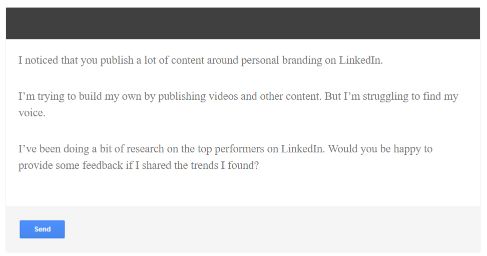
The most effective BDRs use a range of tools to manage their email accounts and extract the maximum amount of value from them.
Social Selling
Social selling has become essential for modern BDRs. They use social media, like LinkedIn, to engage with prospects, build relationships and establish credibility before direct outreach.
This approach allows BDRs to warm up cold prospects. They comment on their posts. They share content. And they demonstrate industry knowledge. The goal is to become a familiar name before making the formal sales pitch.
Scheduling Meetings
The primary role of a business development representative is to coordinate meetings for sales representatives. These meetings could involve initial calls or product demos with appropriate stakeholders. In general, they’ll vary according to your product and sales strategy.
Business development representatives are skilled at closing a large number of meetings. They are masters of both cold calling and emailing. But they also use social media and other channels to nail down the meetings they’ll need to reach their goals.
Product Learning
It’s important for the business development representatives in your organization to also be product experts. They’re the first people making contact with your prospects.
To be able to assess whether a prospect is a viable fit, business development representatives need to understand the product inside and out. It’s also important for them to be able to field technical questions and other complex inquiries.
Your BDRs should understand your product. They should see its value. And they should articulate its merit as often as possible.
A Day in the Life of a BDR
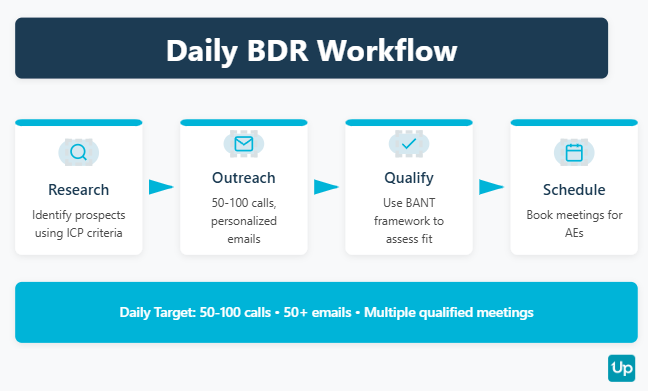
A BDR’s day is structured. It begins with morning planning and CRM review for overnight leads. The schedule includes ‘power hours’ for high-volume outbound prospecting. BDRs average 35 calls per hour, with daily targets of 50-100 calls and similar email volumes. These hours are organized by time zones to maximize contact rates.
Mid-day involves following up on outreach. BDRs conduct prospect research. They personalize messages. Collaboration with account executives and other teams ensures alignment on strategy. Days end with CRM updates, activity logging and preparation for the next day.
What Is the Difference Between a BDR and an SDR?
Some people are confused about the difference between a Business Development Representative and a Sales Development Representative. Here’s a look at the key ways these two roles differ.
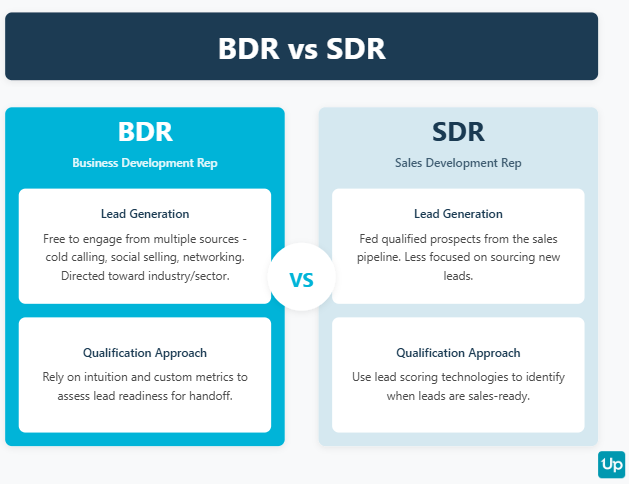
- BDRs are freer to engage on lead generation from a range of sources. These include cold calling, social selling and networking. These professionals are directed toward an industry or sector. Then they’re trusted to use their research abilities to find new, qualified leads. On the other hand, SDRs are fed a series of qualified prospects from the sales pipeline and don’t engage with lead generation.
- They engage with prospects in different ways. Sales reps are fed a stream of leads they’ll nurture with the help of automated programs. But BDRs have to be more aggressive in their pursuits. They use a blend of phone and email contacts to find new business opportunities, organize meetings and pitch to a new business before anyone else.
- They qualify leads in different ways. SDRs might rely on lead scoring technologies to pinpoint the time when a lead is ready to speak with a sales rep. On the other hand, BDRs rely on their own intuition and metrics to decide whether to pass a lead along to one of your sales reps.
BDRs operate at the top of the funnel as ‘hunters’ who research, prospect and qualify leads. Then they hand them off to Account Executives who are ‘closers’ working at the bottom of the funnel to conduct discovery, demonstrate products, negotiate and close deals. BDRs are measured by qualified appointments set. AEs are measured by revenue quotas.
What Are the Key Metrics and KPIs for a BDR?
Key metrics and KPIs help measure BDR success and guide their daily activities. BDR performance requires balancing activity metrics (leading indicators) and outcome metrics (lagging indicators).
Key activity-based KPIs include volume of outreach activities (calls, emails, social touches). They also include conversation/connection rate (percentage of outreach resulting in engagement) and accounts touched per period.
Critical outcome-based KPIs include number of qualified meetings booked (primary success metric). They also include lead-to-opportunity conversion rate (percentage of leads becoming Sales Qualified Leads), pipeline value generated (dollar value of created opportunities) and sales cycle contribution.
Modern sales organizations prioritize outcome-based metrics. They more accurately reflect revenue contribution.
What Are the Most Important Skills for a BDR?
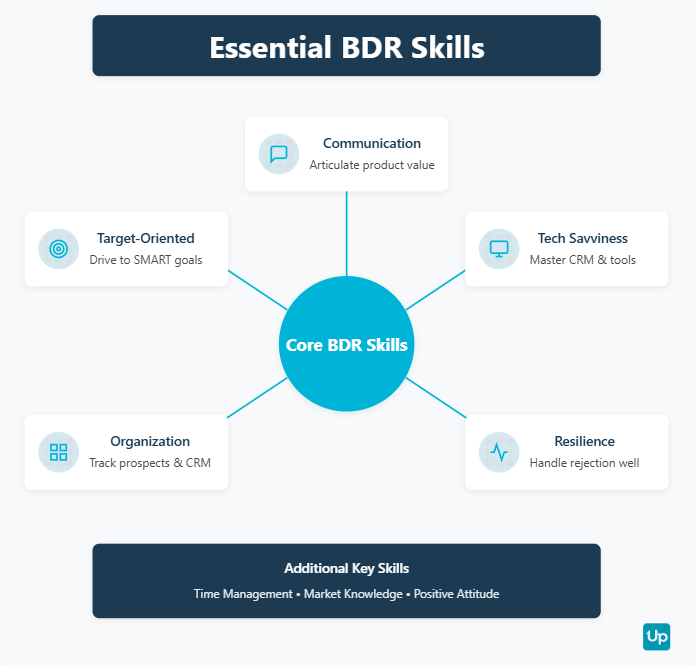
As we can see, being a business development representative is tough! Great BDRs are worth their weight in gold. But they’re hard to come across. Here’s a look at the skills BDRs need to exhibit and master.
Time Management
BDRs find themselves switching between tasks. For instance, they might spend their mornings sending out batches of fresh emails. Then they focus on researching a particular industry in the afternoon. Due to the variety and volume of tasks, BDRs must be able to manage their time. For example, they use time management techniques like Pomodoro to structure their daily work.
Organizational Skills
BDRs must conduct research and interact with a large number of prospects. If BDRs are going to communicate well, it’s important for them to be able to keep tabs on each client and the relationships they’re developing.
The most effective BDRs are able to make the most of a high-quality CRM system such as Pipedrive or HubSpot. They use this tool to track their relationships and communications. For instance, they keep track of their emails and calendar commitments. So they’ll call on a suite of other tools.
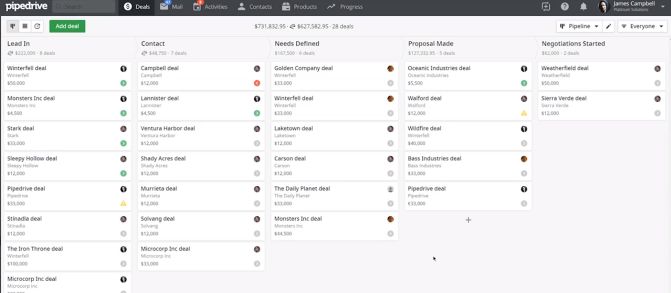
If BDRs are going to get the results they need, they must be able to stay organized.
Target-Oriented Thinking
The world’s most effective sales departments set and track a set of clear goals. Managers should give their BDRs SMART goals that will help them guide their activities. And they need to have the types of personalities that will drive those goals.
BDRs should be able to understand their targets. They should find out what they need to do to exceed them. This process requires a certain level of analytical thought. Without this mindset, BDRs struggle to hit their targets.
This target-oriented thinking can also drive value further into the sales process. If a BDR is focused on helping the sales department hit its goals, he or she will provide qualified leads that have a high likelihood of being converted.
Strong Communication Skills
BDRs must be natural communicators. They should be able to blend their strong communication and people skills with a target-oriented, analytical mindset. They need to be able to inform and entice prospects as much as possible.
The BDRs who hit their targets can articulate the features and benefits of products. They are passionate people who can identify needs or pains and address them.
Resilience and Persistence
Resilience and persistence are critical for BDR success. BDRs face constant rejection and need a strong mindset to stay motivated.
The ability to bounce back from “no” after “no” separates top performers from those who burn out. This resilience isn’t just about thick skin. It’s about maintaining professionalism even when prospects hang up or ignore emails.
Market and Industry Knowledge
Market and industry knowledge is a critical skill for BDRs. It transforms them from salespeople into trusted advisors. This knowledge allows BDRs to build credibility and foster long-term relationships. They demonstrate a genuine understanding of a client’s business.
Enhanced credibility and trust comes from possessing deep industry knowledge, or ‘Industry IQ.’ This allows a BDR to build credibility. When a BDR understands the prospect’s operations, challenges and market position, they are viewed as a valuable asset and trusted advisor. They’re not just a salesperson. This trust is fundamental. Customers are more likely to follow the advice of an expert they believe understands their needs.
Tech Savviness (The Modern BDR Tech Stack)
Modern BDR effectiveness is amplified by technology. The BDR tech stack includes three core pillars:
1) Customer Relationship Management (CRM) platforms like Salesforce (enterprise standard with deep customization, with 2025 pricing tiers: Starter $25/user/month, Professional $80/user/month, Enterprise $165/user/month and Unlimited $330/user/month) or HubSpot (user-friendly for SMBs).
2) Sales Engagement Platforms like Outreach.io (now positioning itself as an ‘AI Revenue Workflow Platform’ with AI-powered sequences and the new AI Prospecting Agent for automated account research) or Salesloft (a ‘Revenue Orchestration Platform’ recognized as a Leader by Forrester, featuring Cadence for multi-channel outreach and Rhythm for AI task prioritization).
3) Data & Prospecting Tools like LinkedIn Sales Navigator (AI-powered Deep Sales Platform with advanced search and buyer intent signals), ZoomInfo (Go-To-Market Intelligence Platform with comprehensive B2B database and AI Copilot, though user reviews are mixed regarding data accuracy) or Apollo.io (all-in-one prospecting and outreach).
Video platforms like Vidyard are becoming essential for BDR prospecting. They offer tools to create, share and track personalized videos for demos and lead follow-ups. Vidyard’s platform includes screen/webcam recording, AI-powered video generation (AI Avatars), detailed analytics and integrations with major CRMs. Pricing starts at $59/user/month for the Starter plan.

These tools automate repetitive tasks and provide crucial data. This allows BDRs to focus on relationship building.
A Positive Attitude
A positive attitude might be considered a personality trait more than a skill. But it can be honed. You should look for BDRs who have positive attitudes. This quality will enable them to engage prospects more effectively and provide them with the stamina they need.
Being a BDR is a tough but rewarding job. Every BDR must learn to handle rejection. A positive attitude will give each one the best chance to persevere and seize success.
What Is the Average Salary for a BDR?
The average salary for a BDR varies based on experience, location and company size. Based on November 2025 data, ZipRecruiter reports the average base salary for a BDR in the US is $59,559 per year.
Built In reports an average base of $59,294 with additional cash compensation of $32,511. This brings total compensation to $91,805. Payscale shows an average of $55,120 based on 967 salary profiles updated October 14, 2025.
The salary range spans from $26,500 for entry-level positions to $95,000 for senior BDRs. Experience impacts earnings. Entry-level BDRs (less than 1 year) earn $51,057-$61,735. Those with 7+ years experience average $93,508.
Compensation follows a 68% base salary and 32% commission structure. Commissions range from $160-$200 per qualified demo or 1-4% of closed deals.
What Is a Typical BDR Career Path?
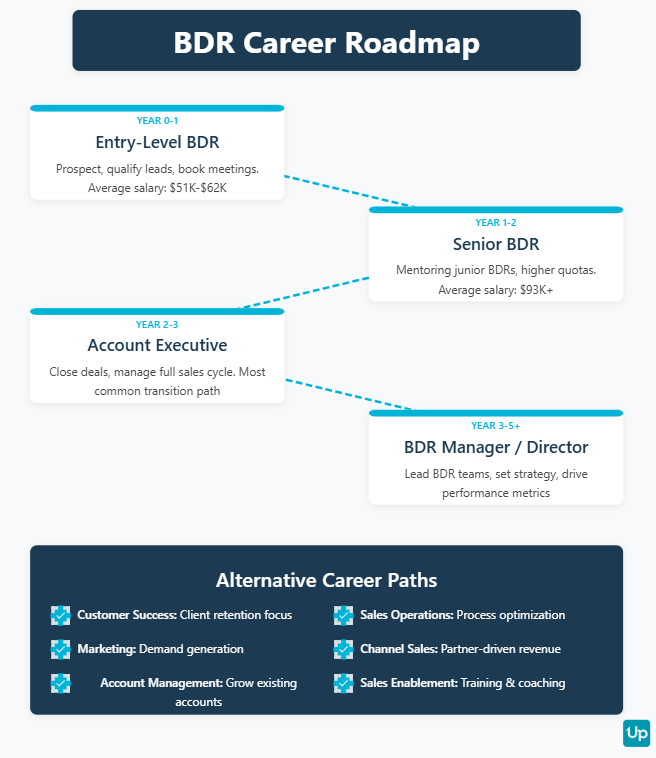
A typical BDR career path offers multiple growth opportunities. The BDR role serves as an entry-level role focused on prospecting and qualifying leads.
The most common next step is moving into a closing role as an Account Executive (AE) or Account Manager. This occurs after 12-24 months of strong performance. Top performers at high-growth companies may transition in 6-12 months. Larger companies may require 18-24 months.
The path can then lead to a Business Development Manager, who leads a team of BDRs. Alternative paths include Sales Management (BDR Manager to Director of Business Development), Customer Success (focusing on client retention), Marketing (demand generation or product marketing), Account Management (growing existing accounts), Sales Operations/Enablement (process optimization and training) and Channel Sales (partner-driven revenue).
Skills gained as a BDR are also transferable to other departments like marketing or customer success.
How Can You Build an Excellent BDR Team?
Do you need a BDR team to pre-qualify leads and schedule meetings for your sales reps? Here’s a glimpse at the steps you should take to build an efficient, performant BDR team.
Set Clear Goals
First things first. You’re going to explore your perceived needs for BDRs. You accomplish this goal by asking yourself the following questions:
- Do you know what the right profile will be able to offer your sales team?
- Do you need a BDR team?
- Do you have the budget?
- What are the goals of your BDR team going to look like?
- How many BDRs will you need to hire?
- Who will manage your BDRs?
- How many BDRs will you have for each sales team?
You should take the time to answer these questions. You should understand the strategy behind effective business development representative teams. This endeavor will give you a clear picture of what you need from your business development representative team. It will show you what they need to achieve for you. And it will reveal how they’ll fit into your department.
Educate Your Recruiters
Once you’ve identified your need for the way BDRs are going to operate in your organization, it’s time to work with your recruiters.
You might work with in-house recruiters. Or you might work with external recruiters. Either way, you’ll want to explore the business development representative role in more depth. You’ll want to get a clearer picture of the profile you’re looking for. This goal will help you put together a strong ad that attracts the best, most relevant candidates out there.
Hiring new staff members is an expensive process. So, if you get this step right, you’ll be able to lay the foundations for recruitment. And you can provide relevant support and input throughout the recruitment process.
Inspire and Inform New Recruits
Once you’ve identified the best candidate and offered him or her the job, it’s time to inspire and inform your new hire. So, you should work hard to ensure your BDRs are trained from Day 1.
A well-organized onboarding process should provide new recruits with everything they need to succeed. This process should include:
- Strong product knowledge
- An introduction to the sales process
- All of the tools and equipment they’ll need
- A clear overview of their goals
- Introductions to the sales team and the company
Focus on Retention
Too many companies set their new hires up for failure. They present an onboarding process that’s too short. To maximize the effectiveness of your BDRs, focus on retention and development.
For example, you should invite your BDRs to attend product meetings. Then they’ll have a good handle on all the new features of your product. They should also be rewarded for exceeding their goals.
What Is the Future of the BDR Role?
The future of the BDR role is evolving due to three key trends. First, AI integration is augmenting (not replacing) BDRs. It automates 30-70% of repetitive tasks like research and data entry. This allows focus on relationship building. Over 60-70% of companies are adopting AI tools for lead scoring and buyer intent prediction.
Second, hyper-personalization is becoming essential. 73-83% of buyers expect personalized interactions. BDRs use AI-driven insights to tailor messaging to specific needs and pain points.
Third, increasing technical complexity means the role is evolving. It’s shifting from high-volume calling to strategic, consultant-like engagement. This requires proficiency with 10+ tools and multi-threading across stakeholder groups. Recent articles from late 2025 explore the shift from script-based selling to a more consultative approach. They suggest BDRs are becoming ‘junior consultants.’
Conclusion
Are you ready to see your sales performance skyrocket by adding Business Development Representatives to your sales team? We hope this piece helps you accomplish this goal. You can learn more about the ways UpLead can help you provide business development representatives with high-quality, targeted sales leads.