

PitchBook doesn’t list a price on its website. Like other data terminals built for finance teams, it sells through a sales conversation instead of a self-serve checkout, the same model Bloomberg Terminal and FactSet use. That makes PitchBook pricing one of the harder numbers to pin down. The figures below reflect buyer reports current as of November 2026. It separates what PitchBook and review platforms actually confirm from what buyers have reported paying, so you know which numbers to trust before you get on a call with sales.
Does PitchBook publish its prices?
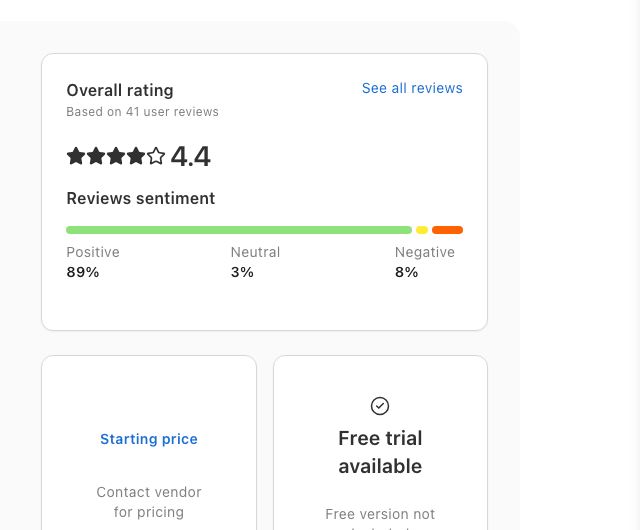
No, it doesn’t. PitchBook’s listings on Capterra, G2, and TrustRadius all point buyers to “contact vendor for pricing” rather than a published rate card.
Morningstar, PitchBook’s parent company, applies the same sales-led model across its other institutional data products. A sales rep builds your quote around your seat count and which modules you need, then adjusts it again for contract length, so two companies asking for the same plan can still land on very different numbers.
How much does PitchBook cost?
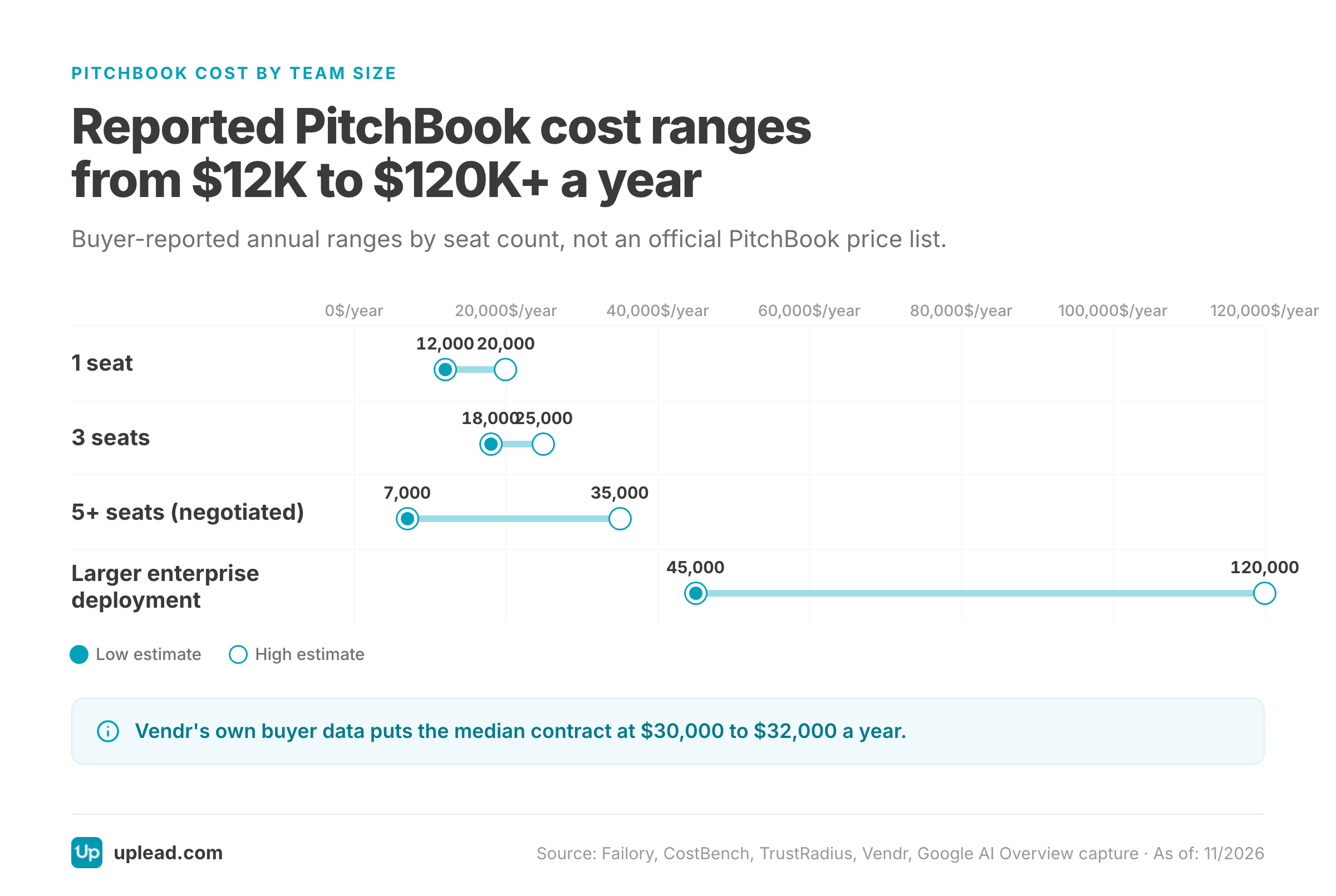
PitchBook’s own pages give no number, so the clearest third-party reference point comes from Vendr, a software-procurement platform that collects real purchase data from its users. Vendr’s PitchBook buyer guide puts the median contract between roughly $30,000 and $32,000 a year, built from a sample of around 110 to 125 submitted purchases. Buyers negotiate about 13 to 14 percent off their first quote on average. The full range Vendr-linked sources cite runs from about $20,000 a year on the low end to over $120,000 a year for larger teams.
Buyer-reported numbers for smaller accounts sit below that median. A set of customer-submitted figures collected by Failory lists single-seat subscriptions at $12,000 and $13,500 a year. A separate report puts a 3-seat license around $18,000 to $25,000 a year, with each additional seat afterward reported at roughly $7,000 a year. One Reddit-sourced account cited by a pricing-tracker site mentioned a negotiated rate near $7,000 per user on a larger team deal, which lines up with the idea that per-seat cost drops as headcount grows. None of these per-seat figures are confirmed by PitchBook directly, though, so treat them as a planning range, not a quote.
Here’s how those reported ranges stack up by team size. Treat every row as a planning estimate built from buyer reports, not a PitchBook list price.
Does PitchBook have a free plan or free trial?
PitchBook offers a free trial, but you’ll request it through a sales call rather than a self-serve signup, and there’s no ongoing free tier once the trial ends. If a page tells you otherwise, it’s likely confusing PitchBook with a competitor that genuinely does offer a free tier, such as Owler’s community-data plan.
What changes the PitchBook quote?
Four things move the number sales gives you: how many seats you need, whether you add the API or Datafeed for bulk data access, whether you want the Excel plug-in for modeling, and whether you need a CRM integration such as Salesforce or DealCloud. Contracts are reported as annual commitments, and sources disagree on whether they auto-renew by default, so read that clause in your actual contract rather than assuming either way.
If you’re trying to lower a quote, buyer reports point to three consistent levers: ask for a longer initial term in exchange for a lower annual rate, start with the minimum seat count you actually need and add seats later rather than over-buying up front, and time the negotiation near the end of a fiscal quarter when reps have more room to move. None of this is guaranteed, but it’s consistent with what multiple buyer-report sources describe independently.
Alternatives for company and private-market data
PitchBook’s trial is sales-gated and its price is never public, which puts off teams that want to compare costs before they talk to anyone. Here’s how the closest alternatives handle pricing, depending on what you actually need the data for.
If you specifically need private-market deal and fund data the way PitchBook provides it, Crunchbase is the closest published-pricing alternative, and the cheaper one. Crunchbase Pro runs $49 a month on an annual first-year promotion, or $99 a month with no commitment, with Business starting at $199 a month. That price gap comes with a real coverage gap, though: PitchBook tracks more than 12 million private companies against Crunchbase’s roughly 4.7 million, and it adds fund-performance data, limited-partner profiles, and dedicated analyst access that Crunchbase doesn’t offer at any tier. ZoomInfo covers company and contact data rather than fund and deal data, following PitchBook’s own playbook of quote-based pricing with no public rate card. Owler is the budget option here, and it’s genuinely published: a free Community tier plus Owler Pro at $468 a year, about $39 a month, both self-serve with no sales call needed. Craft.io, the company-intelligence platform rather than the project-management tool of the same name, sells enterprise company-data access at a custom quote as well.
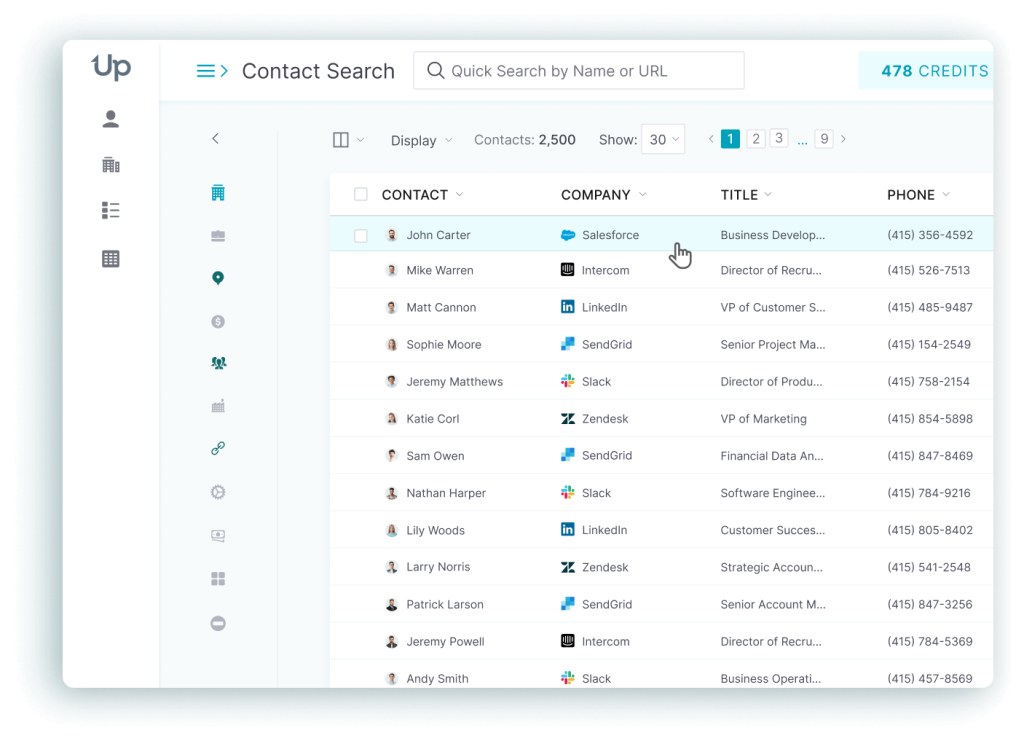
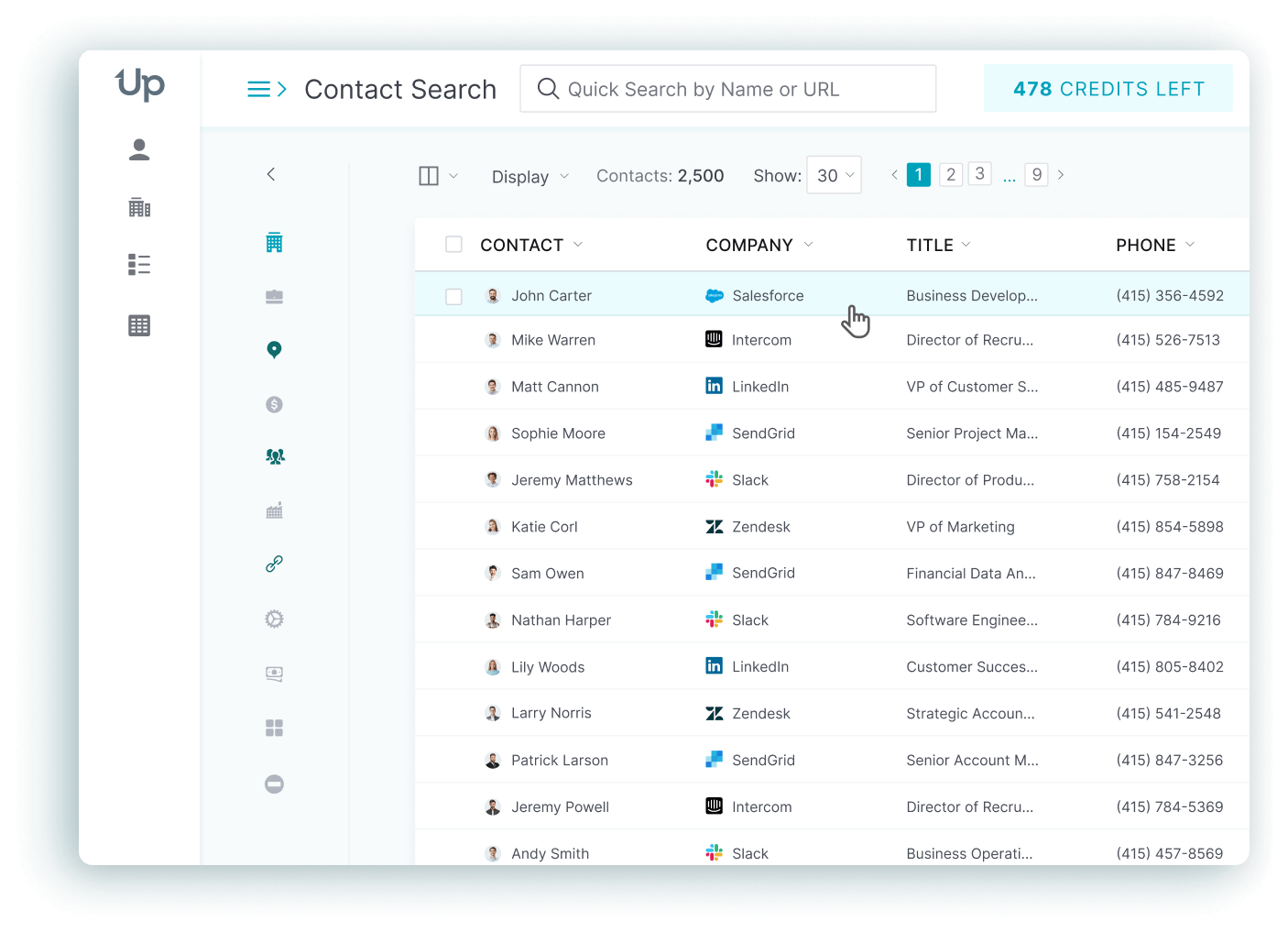
If your actual goal is finding and reaching decision-makers at companies, rather than tracking deals and funding rounds, that’s a different job than PitchBook does. UpLead publishes its own pricing tiers for exactly that: Essentials at $99 a month for 170 credits, Plus at $199 a month for 400 credits, each credit releasing one contact’s verified email and mobile number, with the pricing visible before you sign up.
Frequently asked questions
No ongoing free plan. PitchBook offers a sales-gated free trial, but pricing afterward is a custom quote, not a published rate.
Buyer-reported figures put a single seat at roughly $12,000 to $20,000 a year, which sits well under Vendr’s reported company-wide median, since most of that median comes from multi-seat accounts rather than solo licenses. PitchBook doesn’t confirm a single-seat number directly, and honestly, you shouldn’t expect it to until you’re on a call with sales.
PitchBook’s pricing isn’t ever published and still requires a sales call. Crunchbase publishes its plan tiers and pricing directly on its site, which you can review before contacting anyone.
Buyer reports suggest yes. Vendr’s buyer data shows an average discount of roughly 13 to 14 percent off the initial quote, most often tied to committing to a longer contract term or starting with fewer seats.
Yes, for most budgets, since every alternative in this guide publishes a self-serve price and PitchBook doesn’t. The actual savings depend on what job you’re replacing: a Crunchbase plan costs far less than PitchBook’s reported median for deal and funding data, while UpLead’s published tiers replace the contact-and-company-data job at a fraction of PitchBook’s per-seat range.
Morningstar, the investment-research firm, announced its acquisition of PitchBook in October 2016 at a $225,000,000 valuation. Morningstar already held about 20 percent of PitchBook from earlier funding rounds, so the cash paid for the remaining stake was reported at roughly $180,000,000.