


Sales play a key role in any business. Your hard-working sales department will generate revenue for your business while they forge close ties between your business and your customers. If you sell to other businesses, you need to learn how to master B2B sales. Then you can guide your team to glory.
But here’s the reality: B2B buyers are now in control. They conduct up to 90% of their research on their own before they speak to a sales rep. They face too much information. They doubt traditional sales tactics. And decisions now involve complex committees of 6-10 stakeholders. This makes it harder than ever to capture their attention and break through the noise.
The result? Sales cycles get longer. An estimated 67% of sales reps expect to miss their quotas. Outdated methods lead to being ignored. Prospects ghost you. Revenue is lost as potential deals stall in committees that don’t align. Many teams face burnout and low morale as their tech stack creates more admin work than real conversations.
This guide provides a clear framework to cut through the complexity. We will show you how to shift from being a seller to a trusted advisor. You’ll use data and value-led conversations to address the specific challenges of modern buyers. Learn the strategies that help you connect with the C-suite, align with buying committees, shorten your sales cycle and exceed your targets in 2025.
Let’s get started!
What Is B2B Sales?
B2B sales, or business to business sales, refers to transactions where one business sells products or services to another business rather than to individual consumers. Sales professionals have a common goal: sell their products and services to create value for their prospects. But since that audience isn’t always the same, sales are divided into two key camps: business to business (B2B) sales and business-to-customer (B2C) sales.
This distinction is important to make because your mode of sales will have a huge impact on the sales strategies and tactics you use along the way.
B2B sales are unique because sales reps often engage in more complex sales for higher-order values. And the sales cycles are much longer in B2B sales than in consumer sales.
In other words, businesses in the B2B space need to adopt long-term sales strategies and use a stack of tech tools to close deals and boost their revenues.
B2B and B2C sales reps also need specific skill sets. For instance, B2B sales professionals must have a results-driven approach to sales and communicate with their prospects with confidence.
What Is the Difference Between B2B and B2C Sales?
You need to understand the difference between B2B and B2C sales to craft the right approach. While both aim to create value, the way they operate differs across multiple dimensions.
To illustrate the scale: the global B2B e-commerce market is projected to reach $36 trillion by 2026, according to the International Trade Administration. In comparison, the global business to consumer e-commerce market is valued at around $7.81 trillion in 2025 and is forecast to grow to $37.72 trillion by 2034.
Here’s a detailed comparison across the key vectors:
| Dimension | B2B Sales | B2C Sales |
|---|---|---|
| Target Audience | Businesses and organizations; smaller, more specific group of professional buyers and decision makers within a company | Individual consumers buy for personal use; broad and potentially massive target market |
| Sales Cycle Length | Long and complex cycles, often take months or even years; 74.6% of new B2B customer sales take at least 4 months to close | Short and transactional cycles, range from minutes to a few days |
| Decision-Making | Rational, logical and process-driven, based on factors like ROI, efficiency, cost-effectiveness and alignment with business goals | Often emotional, impulsive and driven by immediate needs, desires or brand perception |
| Number of Stakeholders | Multiple stakeholders in a formal ‘buying committee’; average size ranges from 6 to 11 members, often includes senior executives like the CEO | A single individual or a small unit, like a family |
| Deal Value | High average deal value with transactions often involve large quantities, significant financial investment and customized solutions | Low average deal value with purchases for single items or small quantities |
| Relationship Type | Relationship-focused, aims for long-term partnerships that involve building relationships, providing support and acting as a strategic advisor | Transactional and short-term |
These fundamental differences mean that B2B sales professionals must adopt a consultative, patient and data-driven approach. They need to understand complex business situations, speak the language of ROI and build relationships with multiple stakeholders over extended periods.
What Are the Main Types of B2B Sales?
B2B sales are categorized into three types: Supply Sales, Wholesale/Distribution Sales and Service/Software Sales. Understanding these categories helps you identify which model your business operates in and tailor your approach.
Supply Sales
Supply Sales involves selling consumables, equipment or raw materials that businesses need for operations or production. These are tangible products that companies purchase to keep their operations running.
Example: Staples Business Advantage provides customized procurement solutions to other businesses. They supply everything from office supplies to furniture and technology products.
Wholesale/Distribution Sales
Wholesale/Distribution Sales involves acting as an intermediary. You buy finished goods in bulk from manufacturers and sell to retailers. This model is essential for getting products from production facilities to the retail locations where consumers can purchase them.
Example: TNT Fireworks operates as a wholesale company. They sell to small business owners who then sell to consumers. They bridge the gap between manufacturers and the thousands of seasonal retailers who need inventory.
Service/Software Sales (SaaS)
Service/Software Sales involves selling intangible solutions. This includes professional services and software solutions. This is the fastest-growing segment of B2B sales, driven by the digital transformation of businesses across all industries.
Example: Salesforce sells cloud-based CRM platform to businesses on subscription basis. Their customers pay monthly or annual fees to access sales software that helps them manage customer relationships, sales processes and marketing campaigns.
Each of these B2B sales types requires different approaches, skill sets and sales cycles. Supply sales often involve repeat business and relationship management. Wholesale sales require strong negotiation skills and logistics coordination. Service and software sales demand consultative selling and the ability to demonstrate long-term value and ROI.
What Are the Most Common B2B Sales Challenges in 2025?
Modern B2B sales teams face a unique set of challenges that didn’t exist a decade ago. Understanding these obstacles is the first step to overcoming them and building a strategy that works in today’s environment.
Navigating Complex Buying Committees
B2B decisions involve an average of 6-10 stakeholders with different priorities. This leads to conflicting goals and a prolonged decision making process. Each stakeholder brings their own concerns: the CFO focuses on cost, the CTO evaluates technical fit and the end-users worry about usability.
Solution: Implement a multi-threading strategy and focus on consensus-building with personalized value propositions for each stakeholder. Map out the buying committee early and tailor your messaging to address each person’s specific concerns.
Longer Sales Cycles
The average cycle ranges from 84 days to 6-8 months. 43% of sales leaders report increased length. Enterprise deals can extend to 12 months or more. This extended timeline strains resources and makes forecasting difficult.
Solution: Implement a documented sales process, use digital sales rooms to centralize communication and content and leverage buyer intent data to prioritize accounts that show active interest.
Sales Rep Burnout
89% of B2B sellers feel burned out. 70% struggle with mental health. The combination of longer cycles, increased competition and pressure to hit sales targets creates an unsustainable environment for many sales professionals.
Solution: Automate administrative tasks using CRM and sales engagement platforms, provide quota relief for vacations and invest in manager training to create a more supportive culture.
Digital-First Buyers
Buyers complete 67% of research on their own before they speak to sales reps. By the time they reach out, they’ve formed opinions about potential solutions and narrowed their options.
Solution: Align sales and marketing teams to ensure consistent messaging, invest in educational content that answers buyer questions and adopt social selling strategies to engage prospects during their research phase.
Data Overload
Tech stack abundance leads to analysis paralysis. The average sales rep uses at least 6 tools. Many organizations have far more. This creates information silos and wastes time as reps switch between platforms.
Solution: Audit your tech stack and eliminate redundant tools, focus on key performance indicators rather than vanity metrics and invest in intuitive data visualization tools that make insights easy to access and act upon.
What Does the B2B Sales Funnel Look Like?
If your B2B sales strategy is going to deliver, you will need a great understanding of the B2B sales funnel. This funnel helps you plot the customer journey and understand which interventions you can make to push your customers further along the funnel.
Here’s a look at the five key stages you’ll find in the classic sales funnel:
1. Awareness
At this stage of the funnel, your target customers have no idea what your business does. Sometimes, these customers might not even understand why they need the solution you’re trying to offer.
During this stage, it’s important to work hard to attract the attention of your potential customers, cement yourself as an authority and communicate your value proposition.
2. Consideration
Once you’ve secured the awareness of your target customers, it’s important for you to help them consider your product or service as a viable solution to their pain points.
To accomplish this goal, you’ll need to share important resources along the way and try to initiate contact with your potential customers. These meetings will give your B2B sales reps the opportunity to understand the needs of your customers better and present your solution.
3. Preference
Now that your solution has earned the consideration of your potential customers, it’s time to convince them that your solution is head and shoulders above the rest.
To become the preferred supplier for your potential customers, you’ll want to rely on great content and sales techniques.
Let’s say you have a potential customer named Jonas. If he’s in the preference stage, he’s close to making a purchase.
4. Purchase
Now that you’ve convinced Jonas that you offer the best solution to his problem, it’s time to close the deal.
You should make the purchasing process as simple and clear as possible. This tactic will reduce friction and ensure Jonas doesn’t abandon the purchase. Once he’s made a commitment, he’ll become a customer!
5. Loyalty
Once you’ve secured Jonas as a customer, the journey isn’t over. It’s important that your sales and customer service team work in harmony to drive value to Jonas and secure his future business.
Once your customers have reached this sales funnel stage, they’ll be loyal customers who you can rely on for repeat business over the coming years.
How Does the B2B Sales Process Work Step-by-Step?
A standard B2B sales process includes 7-8 steps that guide prospects from initial contact to closed deal. Understanding and following a structured process increases consistency and helps your sales team replicate success.
1. Prospecting
Prospecting involves identifying and researching potential customers who match your ideal customer profile. This step requires using lead generation platforms, LinkedIn research and intent data to build a list of qualified prospects.
The goal is to create a pipeline of contacts who have the budget, authority, need and timeline to purchase your solution.
2. Qualification
Qualification means determining whether a prospect is a good fit for your solution. This step saves time by ensuring you focus sales efforts on qualifying leads most likely to convert.
Use frameworks like BANT (Budget, Authority, Need, Timeline) or MEDDIC to evaluate each prospect. Ask questions to understand their pain points, decision making process and readiness to buy.
3. Needs Assessment
Needs Assessment involves conducting discovery calls to understand the prospect’s business challenges, business goals and current situation. This is where consultative selling begins.
Ask open-ended questions, listen and document everything in your CRM. The insights you gather here will shape your pitch and demonstrate that you understand their unique situation.
4. Pitch
The Pitch is where you present your solution in a way that addresses the needs and pain points uncovered during your assessment. This should never be a generic product demo.
Tailor your presentation to show how your solution solves their specific problems and delivers measurable ROI. Use case studies and sales data to support your claims.
5. Objection Handling
Objection Handling requires addressing concerns and hesitations that arise during the selling process. Common objections include price, timing, competition and internal resistance.
Listen to understand the real concern behind each objection. Respond with empathy, provide evidence and reframe the conversation around value rather than cost.
6. Closing
Closing is the moment you ask for the commitment and finalize the agreement. This step requires confidence and clear communication about next steps.
Make the process as simple as possible by using e-signature tools, clear contracts and removing any friction that might cause the prospect to hesitate.
7. Follow-Up
Follow-Up begins after closing and continues throughout the customer lifetime. This step involves onboarding, check-ins and identifying opportunities for upsells or renewals.
Strong follow-up turns one-time buyers into long-term partners and generates referrals. Work with your customer success team to ensure a smooth handoff and continued value delivery.
What Key Skills Do Top B2B Sales Professionals Master?
Essential skills for modern B2B sales have evolved beyond traditional relationship building. Today’s top performers combine interpersonal abilities with technical proficiency and strategic thinking.
Business Acumen
Business Acumen means understanding complex business situations and client P&L impact to be seen as a trusted advisor rather than a vendor. Top sales reps can speak the language of business leaders and understand how their solution impacts the bottom line.
This skill allows you to have strategic conversations with C-level executives and position your solution as a business investment rather than an expense.
Social Selling
Social Selling involves using LinkedIn to find, connect with and nurture prospects through valuable content and industry discussions. This skill has become essential as buyers conduct more research on their own.
Effective social sellers build their personal brand, share insights, engage with prospect content and establish credibility before ever sending a direct message.
Strategic Prospecting & Discovery
Strategic Prospecting & Discovery means using data-driven research and buyer-intent signals to identify high-value accounts and conduct initial research. This goes beyond finding contact information.
Top performers analyze technographic data, funding events, hiring patterns and intent signals to prioritize accounts most likely to convert and personalize their outreach.
Data & AI Literacy
Data & AI Literacy involves leveraging CRM software, analytics and AI for streamlined research and personalized outreach. Companies that use data-driven strategies see a 20% increase in sales performance.
This skill includes understanding how to interpret sales dashboards, use predictive analytics to prioritize new leads and leverage AI sales tools for email personalization and call preparation.
Consultative Selling & Relationship Building
Consultative Selling & Relationship Building means acting as a trusted advisor who focuses on outcomes and ROI delivery. This approach shifts the conversation from features to business impact.
The best consultative sellers ask probing questions, listen more than they talk and co-create solutions with prospects rather than pushing a one-size-fits-all product.
Multi-Threading
Multi-Threading involves building relationships with multiple decision makers (6-10 stakeholders) within target accounts. This skill is critical because deals with only one internal champion are far more likely to stall.
Multi-threading requires mapping the buying committee, understanding each stakeholder’s priorities and maintaining separate but coordinated relationships with each person.
Adaptive Listening
Adaptive Listening means identifying the prospect’s specific conversation goal and adapting your listening style. Not every conversation requires the same approach.
Sometimes prospects need you to be a problem-solver. Other times they want validation or a sounding board. The best sales reps recognize these cues and adjust their style to meet the prospect where they are.
How to Craft a Winning B2B Sales Strategy
Now that we’ve painted a clearer picture of what we mean by B2B sales, let’s explore the steps you should take to put together a great sales strategy.
1. Define your ideal customer.
Defining your ideal customer is the first step to crafting a great B2B sales strategy. A clear picture of your ideal customer will help you better understand their expectations and pain points. You’ll also concentrate your sales efforts on viable prospects.
There are a few techniques you’ll want to use to define your ideal customer profile. Here’s a look at the blend:
I. Describe your ideal customer.
First, you should list what you know about your ideal customer. You should cover things like industry, location, size and budget. These key data points will help you as you move forward.
II. Interview your existing customers.
You should speak with your most prominent and profitable customers to better understand your ideal customer and their motivations. Organize small one-on-one sessions with a range of customers to uncover common patterns and priorities.
III. Dig into the data.
You should complement that qualitative data with quantitative analyses. To discover trends between your top customers, dig into your CRM. And to paint a fuller picture, gather all of this information together.
2. Explore the market.
Now that you have a clearer picture of your ideal customer, you’ll want to discover what that means. In other words, dig into your specific target market and uncover the number of potential customers you have out there.
You’ll want to answer these kinds of questions:
- Where are your ideal customers?
- Do you need to widen the definition of your ideal customer?
You can perform this market research by using many techniques and tools. For instance, you might use lead generation platforms to assess the saturation in certain marketing or read government reports about industries and their performances.
3. Craft your value proposition.
Now that you have a better idea of whom you’re going to sell, their priorities and where they’re located, you’ll be able to craft a unique, compelling B2B value proposition.
As Drew Neisser, the CEO of marketing agency Renegade LLC shares in his special report on B2B Demand Generation, “The more products you offer, the more features you push and the more audiences you’re targeting, the more likely it is that your big idea is lost in the clutter like most logos on a NASCAR vehicle. To avoid this, B2B brands need to lighten their messaging chassis, stripping away all but what’s essential. This can be difficult work, but the value of having a clear value proposition is unstoppable.”
Your B2B value proposition needs to address the immediate concerns and expectations of your audience. Since crafting a compelling value proposition is difficult, you’ll need to invest significant time and resources into this exercise.
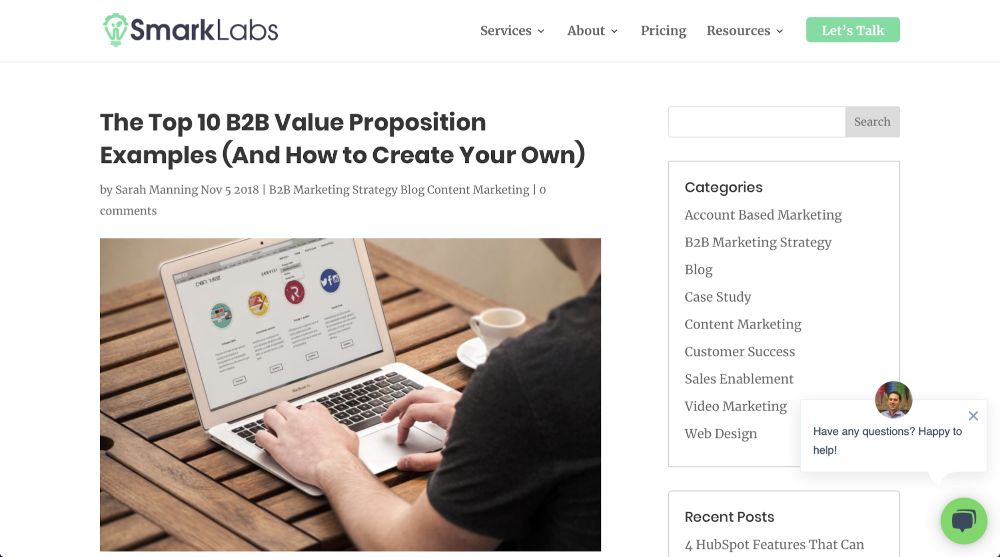
The best B2B value proposition can help your brand stand out from your competition and explain what you offer. For extra inspiration, check out this list of top 10 B2B value proposition examples from SmarkLabs.
4. Create an engagement strategy.
Now that you have a great value proposition, you’ll need to develop a strong strategy to engage with your potential customers.
To achieve this goal, you’ll need to create a plan and list the activities you’ll take along the way. These activities should correspond to the sales funnel (which we’ll soon go through in more detail).
For instance, you should outline how you’ll acquire your customers, the strategy you’ll use to approach them and how you’ll build relationships over time.
5. Generate your leads.
It’s time to act on your strategy. There is a blend of techniques you’ll want to use to generate B2B leads. Here are just some of the principal strategies you can build upon:
- Work on SEO to generate leads.
- Use inbound and outbound marketing tactics.
- Leverage content marketing to connect with your B2B audience.
- Invest in a high-quality lead generation platform.
6. Build your relationships.
Once you’ve acquired your leads, it’s time to nurture those relationships and build a partnership. The exact methods you’ll use to nourish your relationships will vary, depending on the research you performed in the earlier steps.
For instance, some B2B customers prefer in-person meetings, while others prefer a more hands-off approach that’s focused on receiving the right content at the right time.
7. Collect and analyze data.
It’s important for you to collect and analyze data. This step will help you monitor the sales performance of your B2B sales strategy and make sure it’s getting the results your business needs.
9 Proven B2B Sales Techniques to Turn Leads into Sales
Looking for proven techniques and sales tactics you can use throughout your B2B sales funnel? Here’s a closer look at nine proven options you can use today…
1. Target the right leads.
If your B2B sales activities are going to prove to be fruitful, you need to target the right leads. If you fail to identify the appropriate ideal customer at the outset of the B2B sales process (or falter when it comes to surfacing the right leads), you’ll waste lots of time and achieve subpar results.
As discussed above, you’ll want to use a blend of techniques to identify the right leads. One of the most obvious sales tactics is using a lead generation platform, given that these sales tools help you filter through users via targeted filters.
This tactic in action
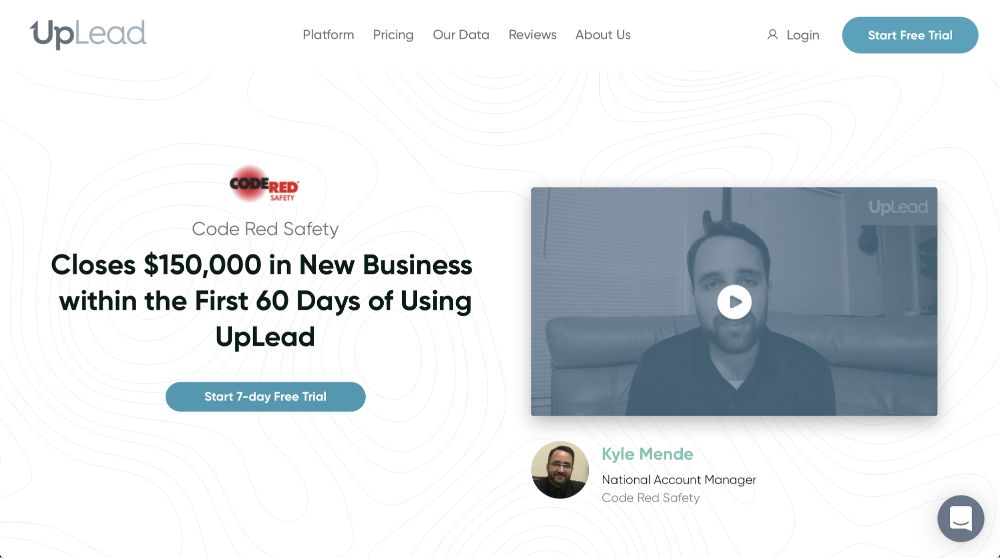
Code Red Safety is a public safety company that provides a range of services to the construction, oil and gas and transportation industries.
The company had an organic idea of its ideal customer but needed a better way to reach key decision makers. Since traditional methods weren’t possible, the sales team turned to UpLead to identify and contact the right prospects.
Within the first 60 days of using the platform, Code Red Safety managed to secure $150,000 in new business. This usage represented a huge ROI of 46,567% and the business secured new contracts.
If you want to dig deeper, be sure to read the case study today.
Getting started
To get started with this tactic, you’ll need to have a clear idea of your ideal customer. Equipped with this tool, you’ll be able to use your chosen B2B database and business contact data provider.
Getting started with UpLead is easy: To drive growth via targeted sales leads, start your free trial today.
2. Research your prospects.
If your sales reps are going to sell, they must understand who they’re trying to sell to. While an ideal customer profile will help you narrow your search, you need to augment that profile with hard data and important insights.
For instance, the best sales reps will review the latest news and take long looks at their prospects’ websites and social media profiles. This tactic can help them strike up new conversations and show they care.
This tactic in action
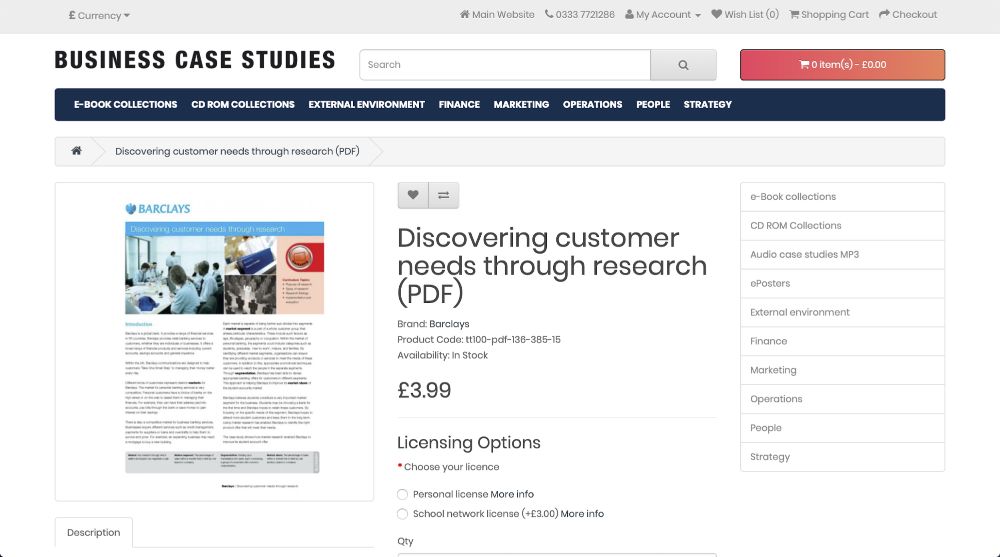
Sales augmentation is a valuable exercise that can have a positive impact on your conversion rate. This case study from Barclays highlights how this banking giant used research to improve its student account offer.
Businesses around the world will augment their ideal customer profile through research. That additional insight can make it easier for sales reps to sell and forge strong links.
Getting started
In general, you can take a few steps to research your prospects. The exact process will vary from one business to the next, depending on your industry and ideal customer.
In this post, ZoomInfo provides a handy checklist you can use to improve the results of your sales prospect research. It’s broken down into these kinds of categories:
- Business basics
- Leadership information
- Financing standing
- Technographic information
- Purchase behaviors
- News and trigger events
- Industry background
- Competitive insight
3. Understand pain points
The best sales reps can identify and leverage customer pain points in order to speak to customers and their needs. While sales reps will often improve over time, you can use several techniques and resources to understand pain points better.
For instance, you could decide to use survey software or incorporate this type of research into your initial calls with your prospects. Whatever tactic you decide to use, it’s worth it to understand your customer’s pain points.
This tactic in action
Wordstream is an online advertising platform. In this guide to customer pain points, the author explains that this company developed its own initiative to discover what made its prospects click.
In the case study, we’re shown how the advertising platform decided to survey more than 200 internet marketing agencies. This initiative helped the company collect useful, quantifiable data they used to shape future initiatives.
Getting started
Your process for identifying and interpreting customer pain points will vary according to your ideal customer and industry. To get started, it’s often helpful to divide your attention into these kinds of key categories:
- Financial pain points
- Functionality pain points
- Productivity pain points
- Support pain points
This methodology will help you narrow your search and focus your attention. You could use this narrower focus to guide your conversations with your existing customers or structure your surveys.
As you perform this work more and more, you’ll find that patterns start to emerge and your customers will only have limited pain points.
4. Produce and share case studies
To move your prospects through the sales funnel, you’ll need to produce and share pieces of high-quality content with them. For instance, you could produce blog posts and testimonials, but few materials can measure up to the impact of case studies.
A great case study tells a compelling customer success story, so your prospects can picture themselves benefiting from your solution. This dynamic is powerful and you should try to leverage it.
This tactic in action
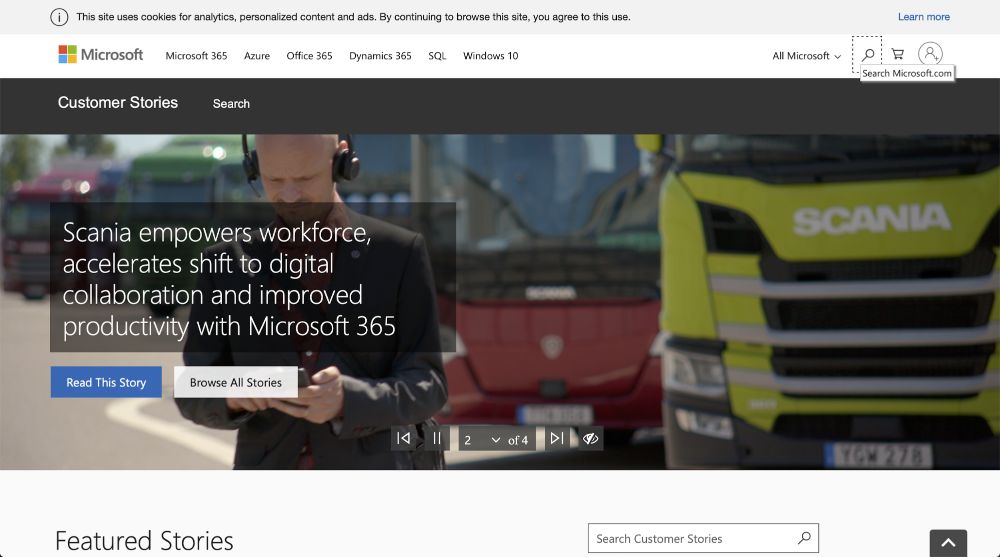
You could find inspiration in lots of case studies. Every business produces some kind of case study since it’s an ideal way to show how their product or service impacts customers.
Microsoft Customer Stories are great ways to see how case studies can be used to appeal to prospects. Since there is a huge range of stories on offer there, you’ll be able to find one that resonates with your business.
Getting started
To create a compelling case study, the essential thing you need is a customer success story! First, you’ll need to secure the permission of your customer in order to use his or her story in your promotional materials. Then you’ll need to collaborate with the marketing team to create an attractive case study.
Your marketing team can use a wide range of design and productivity tools to create case studies. You might also decide to store that case study within a Digital Asset Management tool in order for your sales reps to be able to access it whenever they need it.
5. Put a calendar link in your email signature.
It’s critical for your sales reps to make it as easy as possible for your prospects to get in touch with them and move their relationship to the next level. They can simplify this process by placing a calendar link in their email signature.
Regarding sales tactics, this tactic is a quick win and something you can implement within a few hours. There are lots of simple ways to achieve this goal. You could even add a simple text hyperlink.
This tactic in action
If you’ve had contact with sales reps yourself, you know this tactic is common. However, every sales rep out there doesn’t use it. But if you want to give yourself an important advantage and make life easy for your prospects, this tactic is a great way to do it.
Getting started
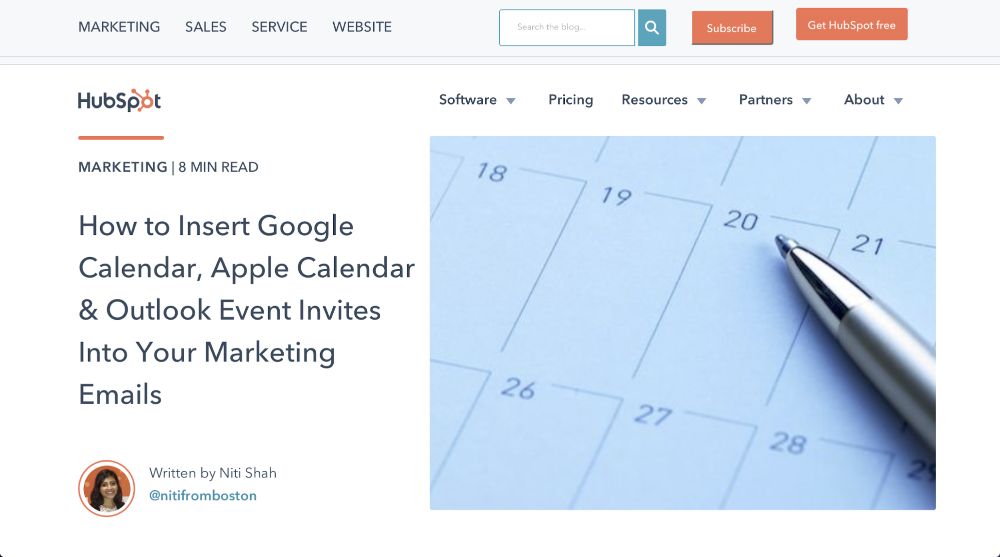
It’s easy to insert calendar invites into your emails. HubSpot has put together a guide to help you get started since this guide covers every email client, so you can adjust it to whichever one you use.
6. Master Social Selling on LinkedIn
Social selling on LinkedIn involves building your professional brand, prospecting and nurturing relationships through valuable content and industry discussions. Key practices include profile optimization (treat it as a landing page with professional headshot and customer-focused headline), content creation for thought leadership, leveraging LinkedIn Sales Navigator for advanced search, warming up prospects through comment-driven outreach, personalizing connection requests with specific references and providing value first before pitching.
According to LinkedIn, 78% of sales reps who leverage social selling outperform their peers who do not.
Tactic in Action: Microsoft’s LinkedIn Sales Navigator Program
To boost sales productivity, Microsoft implemented a formal social selling program using LinkedIn Sales Navigator. Their sales teams used the platform to identify the right prospects, build rapport through sharing valuable content and engage decision makers. Instead of cold calling, they focused on building relationships and establishing credibility within their target accounts.
The Result: Microsoft’s social selling initiative led to a 38% increase in sales productivity and helped them close major deals by connecting with key executives.
7. Adopt a Value-Based Selling Approach
Value-Based Selling is a sales model that shifts the focus from a product’s features and price to the measurable business outcomes and value it delivers to the customer. It is a buyer-centric approach where the sales rep acts as a consultant, understanding the prospect’s business challenges, business goals and pain points.
The core difference from feature-based selling is the conversation’s focus: instead of ‘what our product does’ (features), it’s ‘what our product achieves for your business’ (outcomes like increased revenue, cost savings or risk reduction). For example, instead of selling products by highlighting its RAM (feature-based), a value-based approach would explain how that RAM allows the user’s specific software to run 50% faster, saving them X hours per week (value).
Tactic in Action: Readymode’s Strategic Shift
Readymode, a service provider of outbound engagement software, was struggling to differentiate its product from competitors and engage executive-level potential buyers. Their sales approach was volume-first and focused on the technology’s features. By implementing the ValueSelling Framework®, they shifted their focus to demonstrating long-term business value and aligning their solution with the strategic goals of prospective clients. This value-based approach helped them bridge the gap between their sales and marketing teams and customer success teams.
The Result: Readymode achieved a 40% increase in annual contract value growth, a 72% win rate on sales-accepted opportunities and a 20% increase in visitor-to-lead conversions.
8. Align Sales and Marketing for a Unified Front (Smarketing)
Sales and Marketing alignment, often called ‘Smarketing’, is the integration and collaboration between these two marketing departments to work towards shared goals and ensure a seamless customer journey. The impact is significant: aligned organizations achieve up to 38% higher sales win rates, 36% higher customer retention and 208% more revenue from marketing efforts.
Key components include: 1. Shared Goals & KPIs, 2. Unified Ideal Customer Profile (ICP), 3. Clear Lead Handoff Process (MQL/SQL), 4. Service Level Agreement (SLA), 5. Communication & Feedback and 6. Integrated Technology.
Tactic in Action: Rybbon’s ‘Marketing-to-Sales Circle’
Instead of a traditional linear funnel where marketing hands off leads to sales, the rewards platform Rybbon (now BHN Rewards) created a ‘marketing-to-sales circle’. In this sales model, marketing campaigns are supported by coordinated sales follow-ups. The teams hold weekly meetings to discuss campaign results and sales provides direct feedback that guides future marketing decisions. When a prospect becomes a customer, they are re-engaged in the marketing circle to foster retention and identify upsell opportunities.
The Result: This circular, collaborative process keeps both teams aligned, results-driven and focused on the entire customer lifecycle. It improves lead quality and customer retention.
9. Advanced CRM Tactics for Data-Driven Sales
To leverage a customer relationship management system for advanced B2B sales, go beyond simple contact management and implement data-driven strategies. Key tactics include: 1) Identifying Buying Signals: Use the CRM to track digital footprints that indicate purchase intent. This includes monitoring website activity like visits to the pricing page, content downloads (e.g., case studies, implementation guides) and free trial sign-ups. By setting up lead scoring based on these actions, sales teams can prioritize outreach to the most engaged prospects. 2) Tracking Engagement for a 360-Degree View: A CRM should centralize every customer interaction, including emails, calls, social media messages and website behavior, to create a customer profile. 3) Personalizing Follow-ups at Scale: Use the rich sales data within the CRM—such as industry, job title, past interactions and identified pain points—to personalize communication.
How Do You Measure B2B Sales Success (Key Metrics & KPIs)?
Critical B2B sales metrics provide insight into sales effectiveness and team performance. Tracking the right sales metrics helps you understand what’s working, identify bottlenecks and make data-driven decisions to improve your results.
Customer Acquisition Cost (CAC)
Customer Acquisition Cost represents the total sales and marketing costs to acquire a single customer. Formula: CAC = (Total Sales & Marketing Costs) / (Number of New Customers Acquired). A healthy LTV to CAC ratio is 3:1 or higher. This means each customer should generate at least three times what you spent to acquire them.
Customer Lifetime Value (CLV)
Customer lifetime value measures the total net revenue from a single customer over the relationship duration. Formula: LTV = (ARPU × Gross Margin %) / Customer Churn Rate. This metric helps you understand how much you can afford to spend on acquisition while maintaining profitability.
Sales Win Rate
Sales Win Rate represents the percentage of opportunities closed. The average win rate for the proposal stage is 47%, while all pipeline opportunities average 20-30%. Tracking this metric helps you understand how your sales team converts opportunities into customers.
Average Sales Cycle Length
Average Sales Cycle Length measures the time from first contact to final signature. The average across all deal sizes is 102 days. Enterprise deals (>$100k) extend 6-12 months. Monitoring this metric helps you forecast revenue and identify process inefficiencies.
Lead-to-Opportunity Conversion Rate
Lead-to-Opportunity Conversion Rate shows the percentage of leads qualified into sales opportunities. The average conversion rate is 12-13%. This metric reveals the quality of your leads and the effectiveness of your qualification process.
Customer Churn Rate
Customer Churn Rate measures the percentage of customers who cancel or don’t renew. A good monthly churn rate for B2B SaaS is 1-3%. High churn indicates problems with product-market fit, customer success or value delivery.
Quota Attainment
Quota Attainment tracks the percentage of sales reps meeting or exceeding their assigned quotas. This metric provides insight into whether quotas are realistic, whether your sales team has the right skills and support and how well your sales process is performing.
What Are the Latest B2B Sales Trends for 2025 and Beyond?
The B2B sales landscape continues to evolve. Understanding and adapting to these market trends will determine which organizations thrive and which fall behind.
AI Integration Becomes Standard Operating Procedure
By 2025, over 80% of B2B sales teams are expected to adopt AI-powered solutions. Organizations that use AI report a 10-20% improvement in sales ROI and a 50% increase in lead generation. A LinkedIn report found that 56% of sales professionals now use AI daily and those who do are twice as likely to exceed their targets.
AI tools now handle everything from email personalization and call transcription to predictive lead scoring and automated follow-ups. The key is using AI to augment human capabilities rather than replace them.
Hyper-Personalization at Scale
80% of customers are more likely to purchase from a company that offers personalized experiences. For B2B, 77% of B2B buyers will not make a purchase without personalized content. Personalized emails generate 6x higher transaction rates and marketers report that personalization can increase revenue by 40%.
Modern buyers expect every interaction to be relevant to their specific situation. Generic pitches and mass email blasts no longer work. Sales teams must leverage data and AI to deliver personalized experiences at every touchpoint.
The Evolution of Remote and Hybrid Selling
By 2025, Gartner predicts 80% of B2B sales interactions will occur in digital channels. Buyers now conduct extensive research online before ever speaking to a sales rep. 65-80% prefer remote human interactions or digital self-service.
This shift requires sales teams to excel at virtual presentations, leverage digital sales rooms and create content that prospects can consume on their own schedule.
A Renewed Focus on Human-Centric, Value-Based Selling
As technology automates tasks, the role of the sales rep is shifting from a product pusher to a trusted consultant. The most successful sales strategies in 2025 will be customer-centric and focus on demonstrating clear ROI and co-creating solutions that address specific client pain points. 53% of customer loyalty is driven by the sales experience itself, often more so than the product or price.
The winners will be those who combine technological efficiency with genuine human connection, empathy and business acumen.
Essential B2B Sales Tools for Each Stage of the Funnel
If you’re going to succeed, you’re going to need the right stack of tools. A modern B2B sales stack is essential for efficiency. An average sales rep uses at least 6 tools to perform their job. The global sales tech market is projected to grow to $104.47 billion by 2030.
Here’s a look at the best B2B sales tools for each stage of the funnel…
Top of Funnel: Prospecting & Lead Generation
UpLead
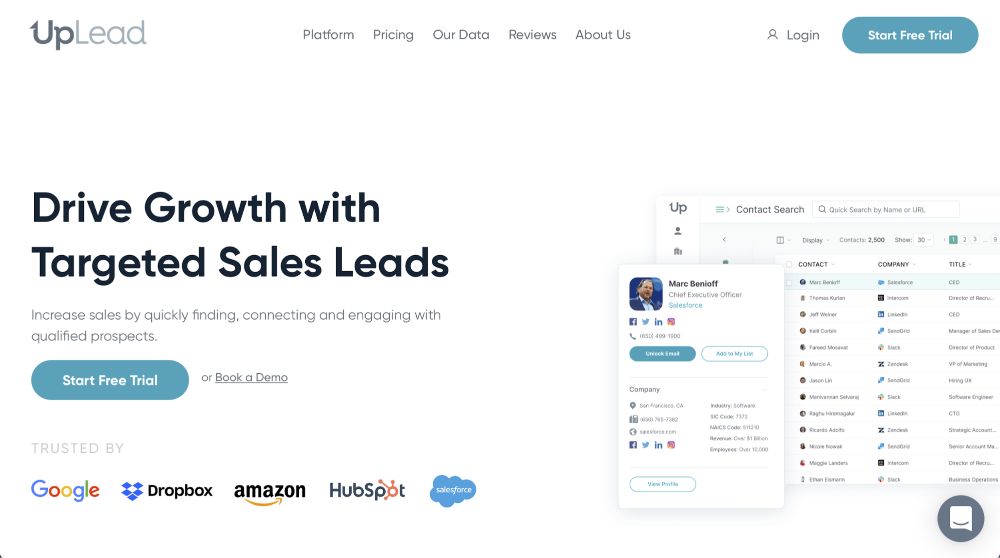
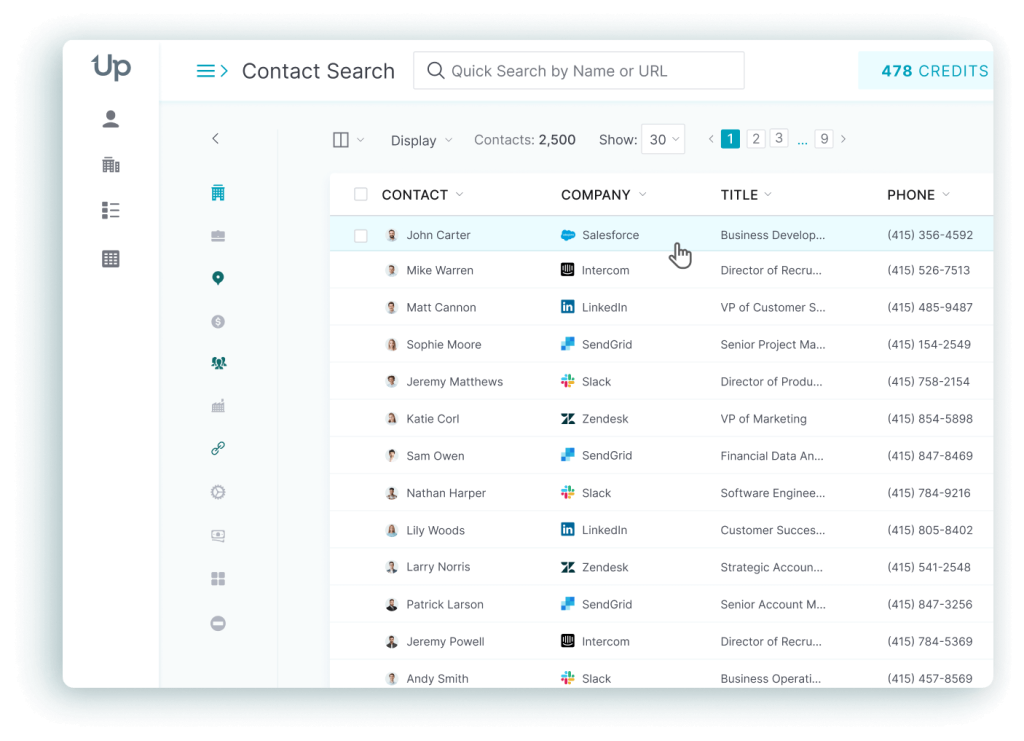
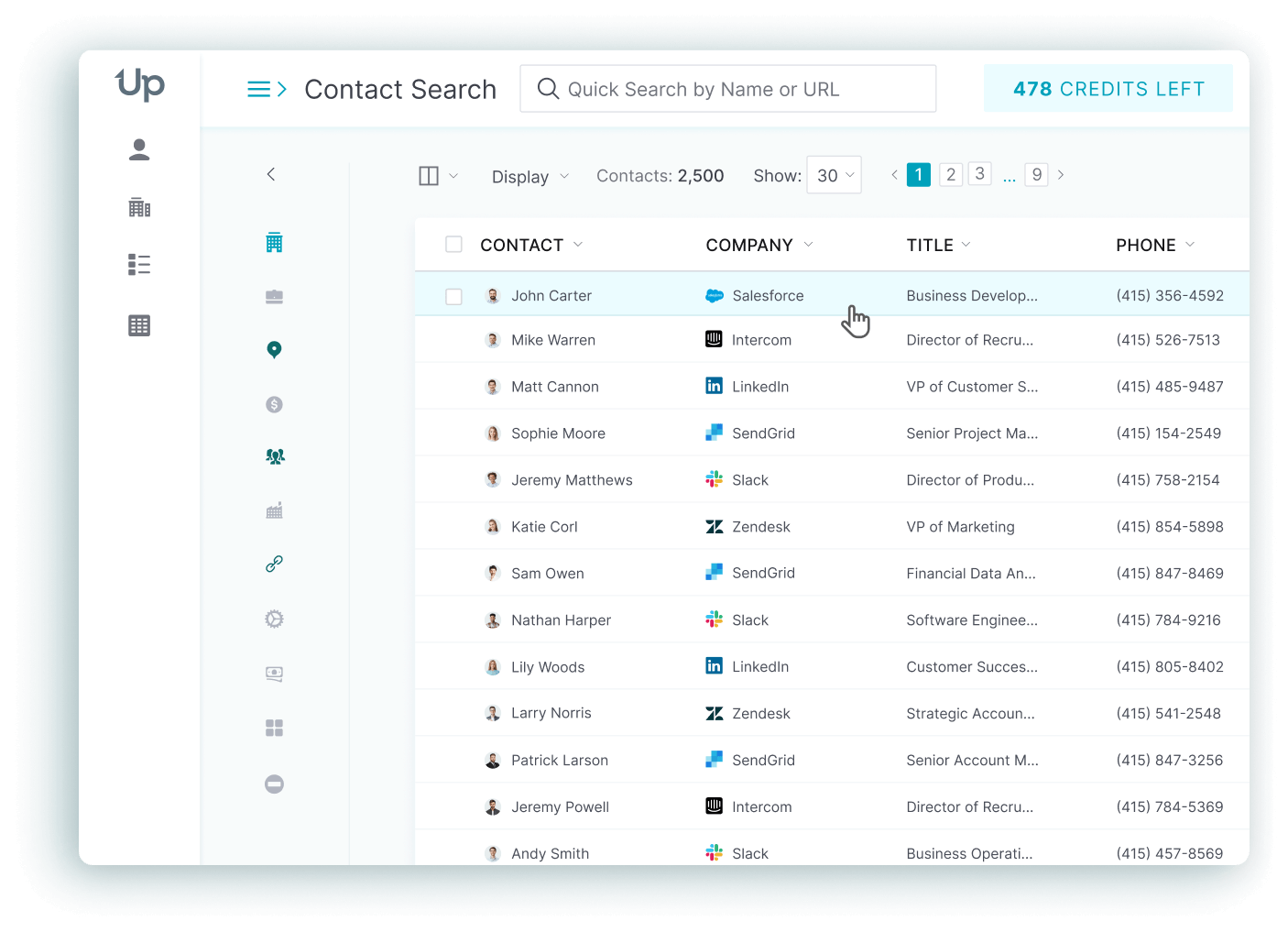
UpLead is a powerful lead generation tool that makes it easy for businesses to uncover the best prospects, get in touch with them right away and increase sales.
Key features
- Peruse a robust contact search.
- Browse through companies.
- Enrich your own data.
- Verify data in real time.
LinkedIn Sales Navigator
LinkedIn Sales Navigator is the primary tool for finding, connecting with and building relationships with leads on LinkedIn with advanced filtering capabilities. It provides deeper insights into accounts and leads than the standard LinkedIn platform.
ZoomInfo
ZoomInfo is a leading B2B database platform that provides accurate contact and company data with intent signals. It helps sales teams identify and prioritize accounts that show active buying intent.
Apollo.io
Apollo.io is an all-in-one sales intelligence platform with over 275 million contacts. It offers affordable pricing with free plan options. It combines prospecting, engagement and analytics in a single platform.
Cognism
Cognism is a sales intelligence platform that provides compliant contact data, including ‘Diamond Data®’ phone-verified mobile numbers with 87% connect rate, AI-powered insights, intent data from Bombora and real-time data enrichment. The platform integrates with major CRMs like Salesforce and HubSpot. Annual costs range from $15,000 to over $25,000 depending on the tier and number of users.
Middle of Funnel: Engagement & Nurturing
Salesloft
Salesloft is a sales engagement platform for managing outreach across email, phone and social channels with automated cadences. It helps teams execute consistent, personalized outreach at scale.
Outreach.io
Outreach.io is a leading platform for automating sales outreach with performance analytics and CRM integration. It provides deep insights into what messaging and sequences work best.
HubSpot Sales Hub
HubSpot Sales Hub is an all-in-one CRM and sales platform that combines sales engagement with marketing automation. It’s strong for teams that want tight alignment between sales and marketing.
Mailchimp
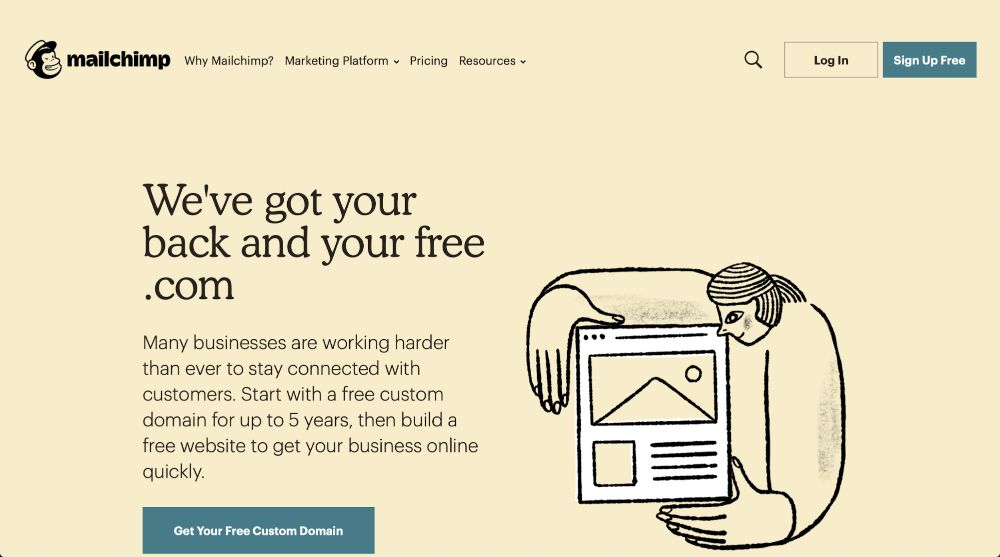
Mailchimp is an all-in-one marketing platform that will help you get your solution in front of your potential customers. Since this tool offers multichannel support, you can generate interest and share your value proposition.
Key features
- Create landing pages.
- Use sign-up forms to collect leads.
- Create mobile and web apps.
- Connect with your prospects across channels.
Bottom of Funnel: Closing & Contract Management
Salesforce Sales Cloud
Salesforce Sales Cloud is the dominant CRM with AI-powered forecasting through Einstein and Agentforce. It offers deep customization. Current pricing ranges from $25/user/month (Starter) to $330/user/month (Unlimited).
Zendesk
Zendesk is a customer support ticketing system and CRM. You can use this tool for support, sales and customer engagement. This tool offers a host of features you can use to build stronger relationships and become the provider of choice.
Key features
- Offer an internal helpdesk.
- Win customers over with sales management tools.
- Benefit from enhanced analytics and reporting.
PandaDoc / DocuSign
PandaDoc and DocuSign are leading e-signature and document management tools for creating, sending and tracking proposals and contracts. They streamline the final stages of the sales process and reduce time to close.
Key features
- Create attractive documents.
- Integrate eSignatures.
- Receive automatic notifications.
- Access analytics and reporting options.
There are other PandaDoc alternatives listed here.
Clari
Clari is a revenue operations platform that uses AI for forecasting, pipeline visibility and deal health insights. It helps sales leaders make accurate predictions and identify at-risk deals before they slip.
SurveyMonkey
SurveyMonkey bills itself as the world’s most popular online survey tool. Businesses can use this service to spin up new surveys and connect with their customers in order to secure customer loyalty.
Key features
- Create attractive surveys.
- Collect responses.
- Analyze and assess data.
B2B Sales FAQs
What is the typical length of a B2B sales cycle?
The length varies based on industry, deal complexity and stakeholders involved. The average ranges from 4 to 8 months. Enterprise deals extend to 12 months or more. Managing long cycles requires consistent relationship building and CRM tracking.
What are the most important metrics to track in B2B sales?
Key metrics include Sales Pipeline Velocity, Conversion Rate, Customer Acquisition Cost (CAC), Customer Lifetime Value (CLV) and Quota Attainment. These provide insight into sales effectiveness and team performance.
How do you handle sales objections?
Use a structured approach: Listen and Acknowledge the concern, Understand and Clarify through follow-up questions, Respond with evidence like case studies or data and Confirm the objection is resolved before proceeding.
What is the difference between B2B and B2C sales?
B2B sales target businesses with longer cycles, multiple stakeholders and logic-based decisions focused on ROI. B2C sales target individual consumers with shorter cycles, single decision makers and emotion-driven purchases.
What are the main types of B2B sales?
The three main types are Supply Sales (consumables and equipment), Wholesale/Distribution Sales (bulk goods for resale) and Service/Software Sales (intangible solutions and SaaS subscriptions).
What key skills do B2B sales professionals need?
Essential skills include Business Acumen, Social Selling, Strategic Prospecting, Data & AI Literacy, Consultative Selling, Multi-Threading and Adaptive Listening. These skills enable reps to navigate complex sales environments.
Essential B2B Sales Books for 2025
Looking to compound your own knowledge or recommend a killer resource to your team members? Here are five of the best B2B sales books:
- The Challenger Sale by Matthew Dixon and Brent Adamson: A modern classic that argues the most successful sales reps don’t just build relationships; they challenge customers. It provides a data-backed framework for teaching, tailoring and taking control of the sale, which remains relevant as buyers are more educated than ever.
- Gap Selling by Keenan: This book focuses on problem-centric selling. It teaches reps to stop selling products and start selling the gap between the customer’s current state and their desired future state.
- Fanatical Prospecting by Jeb Blount: Addresses the number one reason for sales failure: an empty pipeline. This book is a guide to opening sales conversations using a balanced approach of social selling, email, phone and text.
- The Sales Acceleration Formula by Mark Roberge: Drawing from his experience building the HubSpot sales machine, Roberge outlines a data-driven, scalable formula for sales success.
- Never Split the Difference by Chris Voss: Written by a former FBI hostage negotiator, this book translates high-stakes negotiation tactics into the business world.
Top B2B Sales Training Courses & Certifications
Looking for a sales training course for yourself or your team members? Here are five of the best B2B sales training courses available:
- The Challenger™ Sale (by Challenger): Based on the best-selling book, this program is ideal for complex B2B sales environments.
- Sandler Training (Sandler): A recognized system that focuses on repeatable processes and reversing the traditional buyer-seller dynamic.
- RAIN Group: Known for its consultative selling approach, RAIN Group offers customizable modules that cover the entire sales cycle.
- Certified Professional Sales Person (CPSP®) (by National Association of Sales Professionals – NASP): This is a leading foundational certification for reps at any career stage.
- HubSpot Academy Sales Training: HubSpot offers several free, high-quality online courses, including ‘Inbound Sales’ and ‘Sales Enablement’ certifications.
Conclusion
We hope this guide helps you master B2B sales in 2025 and beyond. By understanding the fundamentals, addressing modern challenges, implementing proven techniques and leveraging the right tools, you’ll give your sales team everything they need to succeed in today’s complex selling process.
Ready to access accurate and real-time B2B data? Start your free UpLead trial today. Then you can peruse validated contact information that’s augmented by built-in email verification and many other features.